
From Rome to NYC: The Evolution of Urban Sanitation
Clean water and effective sanitation have always been critical to public health, but ancient cities often learned this lesson the hard way. When people began to live in dense communities, waste was poorly managed, water sources were contaminated, and disease spread rapidly. The lack of organized cleaning systems meant lifespans were short and urban life was difficult to sustain.
Today, we look back on these early sanitation challenges to understand how far we have come. For facility managers and business owners, the lessons of history highlight why structured cleaning systems are non-negotiable in any professional environment. The practices that once determined survival in ancient cities still guide modern commercial cleaning standards. Our role as a cleaning partner is to make sure these standards are consistently upheld so that businesses in New York can thrive in safe, healthy, and well-maintained spaces.
Why Clean Water and Waste Control Matter
The relationship between sanitation and health has been clear throughout history. When waste is not properly managed, it contaminates clean water sources and spreads illness quickly. Ancient civilizations often faced widespread outbreaks because they lacked the knowledge and infrastructure to separate drinking water from sewage. This made even basic survival more difficult in crowded cities.
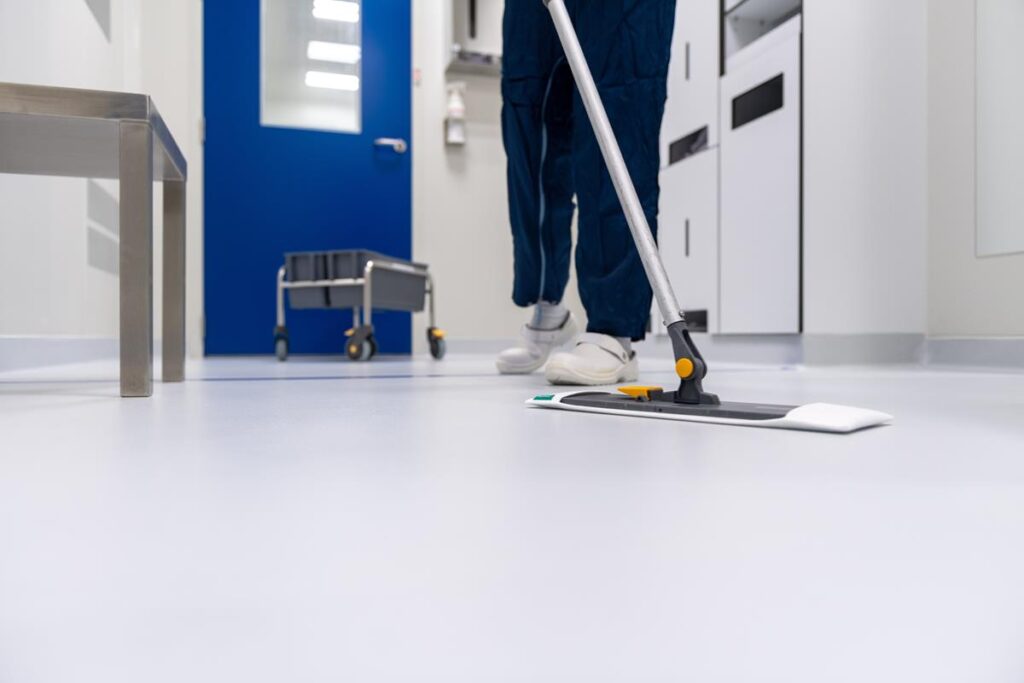
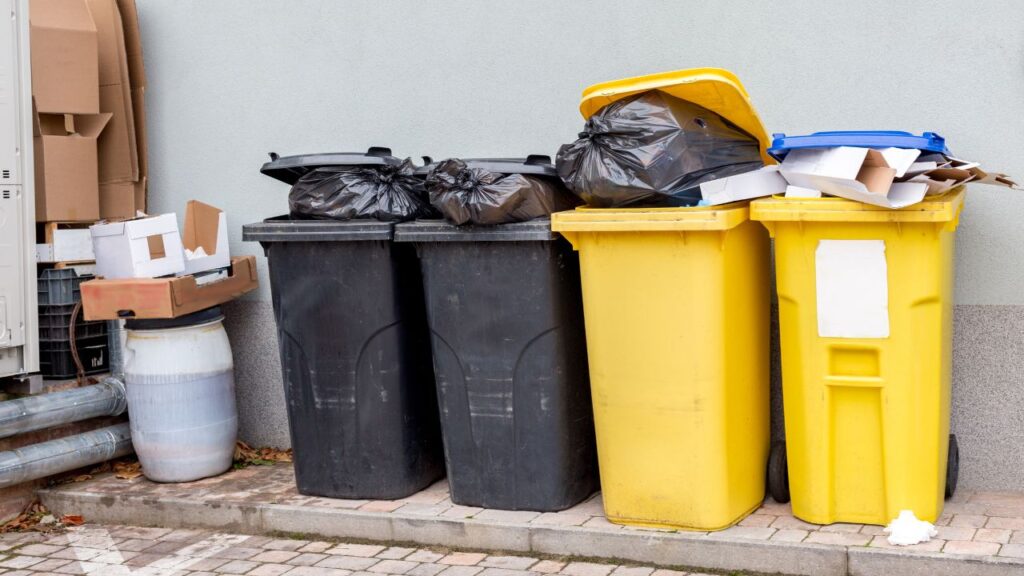
For us today, the principle remains the same: maintaining hygienic conditions depends on structured systems that protect water and control waste. In modern workplaces, this translates into disinfecting high-touch surfaces, emptying trash promptly, and keeping restrooms and common areas sanitized. By preventing contaminants from spreading, facility managers protect the well-being of employees and visitors while safeguarding business operations from unnecessary disruption.
Need a Reliable Cleaning Partner in NYC? We deliver consistent, professional commercial cleaning supported by trained in-house staff and clear communication. If you’re looking for a service that respects your space, your schedule, and your operational flow, we’re here to help.
Sanitation in the Ancient World
Archaeological findings show that ancient societies recognized the need to manage waste, even if their systems were rudimentary. The Romans constructed aqueducts to transport water across cities and created communal toilets with stone benches, while Egyptians, Mesopotamians, and Babylonians developed early drains and clay pipes. These efforts represented an important step toward public hygiene, but they were not enough to fully protect populations. Contamination remained common, and illnesses such as intestinal parasites spread quickly through unclean water and poorly maintained facilities.
What stands out is how these civilizations connected cleanliness to urban life. Even without advanced technology, they attempted to direct sewage away from streets and safeguard water supplies. Their solutions may have been limited, but they laid the foundation for the sanitation practices we rely on today. For modern facility managers, the lesson is clear: consistent attention to waste management and water protection is not optional but essential for creating environments where people can live, work, and thrive.

The Turning Point: Industrial Cities and Sanitation Reform
As populations surged during the Industrial Revolution, sanitation problems reached a breaking point. In cities like London, New York, and Philadelphia, streets overflowed with waste, and water supplies were polluted by sewage. The consequences were deadly, with frequent outbreaks of cholera and other diseases tied directly to poor urban hygiene. The sheer scale of city living forced governments and engineers to rethink how waste was managed and how clean water was delivered to residents.
The late 19th century brought innovations that reshaped city sanitation. Leaders such as George Waring in New York introduced structured sewer systems and drainage solutions, while cities like Boston and Chicago invested in large-scale engineering projects to move waste away from densely populated areas. These advancements drastically improved life expectancy and helped establish sanitation as a critical part of public infrastructure. For facility managers today, the message is timeless: investment in proper systems is not a luxury, but a necessity to protect health and ensure long-term sustainability.

NYC’s Journey to Modern Sanitation
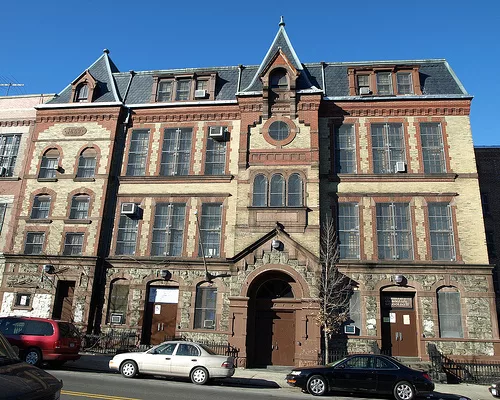
New York City offers one of the most vivid examples of how sanitation evolves with urban growth. In the city’s early years, the streets were filled with garbage, sewage, and even roaming pigs that consumed waste left behind by residents. Trash was tossed from windows, waterways became dumping grounds, and epidemics such as cholera and yellow fever swept through neighborhoods. For decades, poor sanitation was one of the greatest threats to public health in the city.
Reform began when leaders and engineers recognized that uncollected waste and polluted water were not just inconveniences but life-and-death issues. By the mid-1800s, New York started building sewer networks and organized waste collection, setting the stage for more advanced systems. George Waring’s reforms in the late 19th century introduced structured street cleaning and drainage, which dramatically reduced disease rates. Over time, infrastructure expanded to include aqueducts, reservoirs, and one of the most complex water and sewage systems in the world, all designed to support a rapidly growing population.
The progress of sanitation in New York shows how much effort and planning is required to maintain a healthy city. Facility managers and property owners today benefit from that infrastructure, but the same principle applies at the building level. Just as the city invested in long-term sanitation systems, commercial properties require structured cleaning routines, reliable waste management, and proactive maintenance. Consistency in these areas ensures that workplaces remain safe, professional, and fully operational in the face of daily challenges.

Why It Still Matters: Sanitation in Commercial Properties
The connection between sanitation and health is just as relevant in modern workplaces as it was in ancient cities. While we no longer face open cesspools or contaminated aqueducts, today’s facility managers must address different risks: high-touch surfaces that spread illness, restrooms that require daily disinfecting, and waste that must be removed before it disrupts the environment. A consistent cleaning plan directly supports employee well-being, reduces absenteeism, and ensures visitors experience a professional and hygienic space.
Commercial properties in New York face unique demands due to high traffic and constant use. Offices, medical clinics, retail spaces, and fitness studios require structured custodial care to maintain standards that protect both health and reputation. Without disciplined routines, even modern buildings can quickly fall into conditions that harm productivity and morale. By prioritizing sanitation, businesses not only safeguard their operations but also send a clear message about professionalism and responsibility.

Partnering for Cleanliness Without Complications
Modern businesses expect their cleaning providers to deliver more than surface-level results. Facility managers and property owners need a partner who can provide consistent routines, proactive updates, and flexible solutions that adapt to changing schedules or urgent needs. A reliable cleaning partnership should feel seamless, with minimal oversight required and complete trust in the quality delivered each time. This level of support allows organizations to focus on their core operations while knowing their environment is in professional hands.
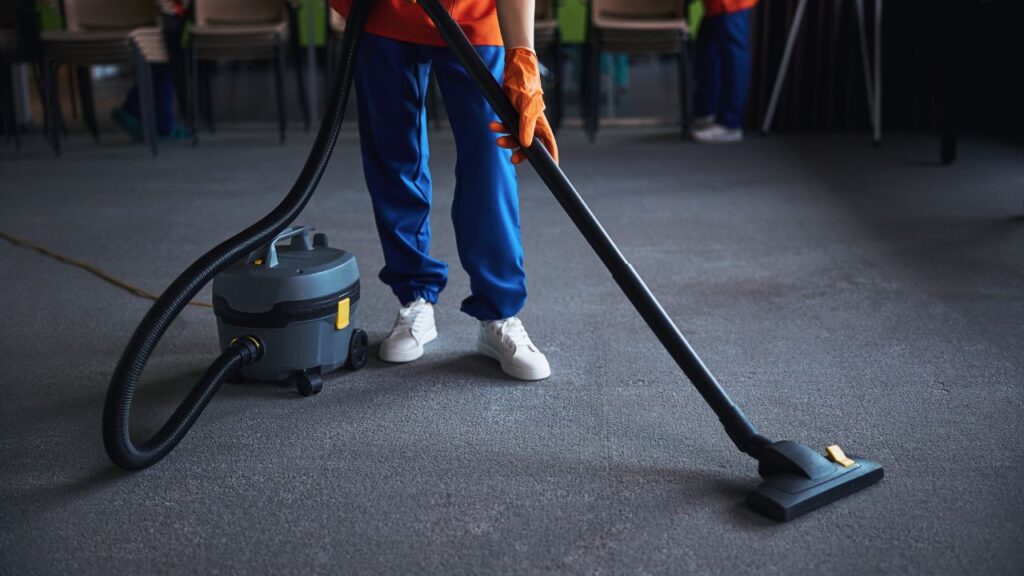
At Busy Bee, we take this responsibility seriously. Our trained in-house teams follow detailed checklists, use proven sanitation methods, and maintain clear communication with every client. From daily disinfecting and trash removal to specialized floor care and emergency response, we make sure no detail is overlooked. By combining professionalism with convenience, we create a service experience that is efficient, discreet, and dependable. For New York businesses, that means clean spaces without complications and operations that run smoothly day after day.
Conclusion
The history of sanitation shows us that cleanliness has always been at the heart of healthy, thriving communities. From ancient aqueducts to New York’s modern sewer systems, every advancement reinforces the same truth: consistent sanitation protects people, supports business, and strengthens reputation. For today’s facility managers and business owners, the challenge is not building aqueducts or sewers but ensuring that every corner of their workplace is cared for with the same level of discipline and foresight.
At Busy Bee, we make that challenge simple. Our trained teams, structured processes, and reliable communication mean your facility stays clean, safe, and ready for business. We’ll take care of the mess so you can take care of your operations. Schedule your next facility cleaning with us today, it only takes a minute.
Let’s Plan Your Clean
Free Quote
We’ll call you, assess your space, and give you a clear estimate.
Learn how we get real results.