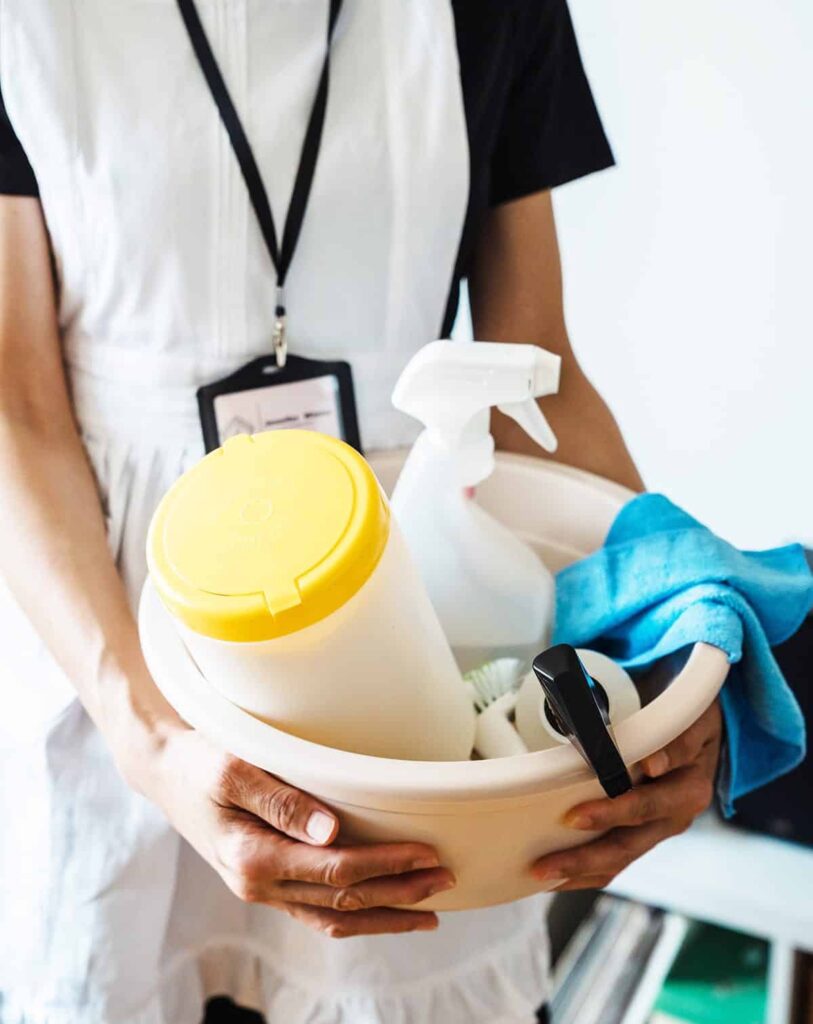

How to Create an Effective Office Cleaning Schedule
In a fast-paced city like New York, where offices run on tight deadlines and tighter spaces, cleanliness isn’t just a luxury, it’s part of the workflow. A well-structured office cleaning schedule does more than keep your floors dust-free; it promotes employee wellness, improves focus, and helps you meet compliance standards without the schlep. Whether you’re managing a small suite or a multi-floor operation, having a reliable system for sanitizing, dusting, vacuuming, and wiping high-touch surfaces keeps everyone safer, and your business running smoother. Let’s break down how to build a cleaning schedule that doesn’t miss a beat.
Why a Cleaning Schedule Matters in the Workplace
We know firsthand that a clean office isn’t just about appearance, it’s a business asset. When cleaning is done consistently and strategically, it directly impacts employee health, morale, and productivity. According to the CDC, workplace cleanliness plays a key role in reducing the spread of illness, especially in high-density environments like offices in NYC.
Without a cleaning schedule, it’s easy for key tasks like disinfecting high-touch surfaces or restocking hygiene supplies to fall through the cracks. Over time, that inconsistency leads to unsanitary conditions, employee complaints, and even potential compliance violations, especially for industries subject to health regulations.
A defined cleaning routine ensures every zone, from the lobby to the break room, gets the attention it needs. And when cleaning becomes part of your operating rhythm, it reinforces professionalism for staff and visitors alike. At Busy Bee, we’ve seen how implementing a detailed schedule transforms chaos into consistency, with no micromanaging required.
Need a Reliable Cleaning Partner in NYC? We deliver consistent, professional commercial cleaning supported by trained in-house staff and clear communication. If you’re looking for a service that respects your space, your schedule, and your operational flow, we’re here to help.
Assessing Your Office’s Cleaning Needs by Zone
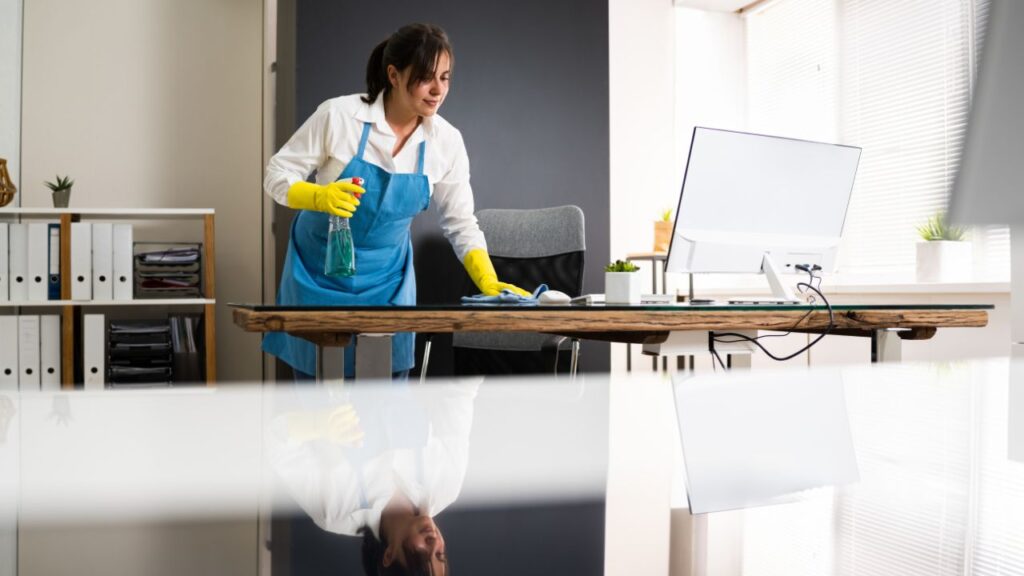
An effective cleaning schedule begins with understanding the specific needs of each area within the office. Dividing the space into zones allows us to determine appropriate cleaning frequencies based on usage, exposure, and hygiene requirements. This method creates a consistent and thorough approach to facility maintenance.
High Traffic Areas
Entrances, hallways, elevators, and reception areas require daily attention. These spaces experience constant foot traffic and serve as the first impression of your business. Floors should be swept and mopped regularly, and surfaces such as elevator buttons, doorknobs, and reception counters must be disinfected multiple times a day to reduce the risk of germ transmission.
Workspaces and Desks
Office workstations, whether open-concept or private, accumulate dust and debris quickly. While employees may maintain their immediate area, scheduled cleaning should include vacuuming, emptying trash bins, and dusting surfaces at least once a week. A monthly deep clean is recommended to address less visible areas such as baseboards, vents, and the spaces behind office furniture.

Restrooms and Kitchens
These are critical hygiene zones and must be cleaned thoroughly every day. Toilets, sinks, countertops, and floors should be disinfected using commercial-grade cleaning solutions. Supplies including soap, paper towels, and toilet paper must be restocked consistently, and waste containers should be emptied and sanitized to prevent odor and contamination.
Meeting Rooms and Break Areas
Shared spaces like conference rooms and lounges should be cleaned after each use, followed by scheduled weekly cleaning. This includes sanitizing tables and high-touch items such as remote controls, light switches, and shared electronic equipment. Chairs and soft furnishings should also be vacuumed or wiped down as needed.
Storage Rooms, Server Areas, and Supply Closets
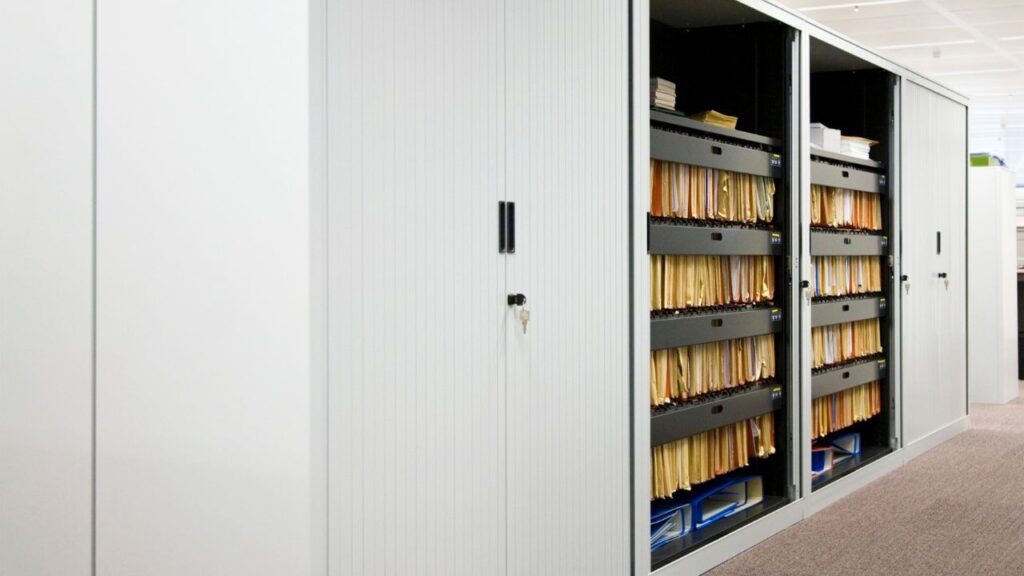
Though these areas are less visible, they play an essential role in office operations. A monthly cleaning routine helps control dust buildup, maintain organization, and identify any potential hazards. Regular upkeep also prevents clutter, allowing these spaces to remain functional and accessible.
By evaluating each zone separately, we ensure every part of the office receives the appropriate level of care. This not only improves cleanliness but also supports the overall health, efficiency, and image of the workplace.
Daily, Weekly, Monthly Cleaning
Establishing a cleaning schedule by frequency ensures that no task is overlooked and that each cleaning activity aligns with its level of urgency. A structured plan that outlines what needs to be done daily, weekly, and monthly not only improves hygiene but also enhances operational efficiency and accountability.
Daily Cleaning Tasks
Tasks performed daily are focused on health, safety, and maintaining a professional appearance. These include disinfecting high-touch surfaces such as door handles, light switches, elevator buttons, and shared office equipment. Restrooms and kitchens must be cleaned and restocked every day, and all trash bins throughout the office should be emptied and relined. Common areas like lobbies, break rooms, and hallways should be swept, mopped, or vacuumed to maintain cleanliness and prevent slip hazards.

Weekly Cleaning Tasks
Weekly duties involve more detailed upkeep. Desks, furniture, and exposed surfaces should be dusted and disinfected. Floors in all areas should be vacuumed and mopped more thoroughly, including under and behind furniture where possible. Upholstery should be vacuumed or wiped down, and windowsills and baseboards should be cleaned. Kitchens and restrooms may require additional scrubbing to address buildup around fixtures.
Monthly Cleaning Tasks
Monthly tasks are focused on deep cleaning and maintenance. These include carpet and floor care such as buffing, polishing, or spot-cleaning. Vent covers, ceiling fans, and light fixtures should be dusted to maintain air quality. Storage rooms, server closets, and utility spaces should be reorganized and cleaned to remove dust and prevent clutter. Window cleaning and high-reach areas should also be addressed during this cycle.

This frequency-based system creates a reliable cleaning rhythm. It ensures daily health standards are met while also preserving the long-term condition of the office environment. When implemented consistently, it reduces the risk of missed tasks and supports compliance with workplace hygiene standards.
Assigning Responsibilities: In-House vs. Professional Cleaning
When creating a cleaning schedule, one of the most important decisions is choosing who will perform each task. Basic daily upkeep, like refilling supplies or taking out trash, can often be handled by in-house staff without interrupting business operations. However, more technical or time-intensive tasks tend to fall outside their scope.
Professional cleaning providers offer the advantage of trained teams, standardized procedures, and industry-grade equipment. From disinfecting restrooms to deep cleaning carpets, these tasks require knowledge and tools that go beyond what most internal staff can manage. A company like Busy Bee ensures that each cleaning task is completed thoroughly, on schedule, and with clear documentation.
Outsourcing also improves efficiency for facility managers. Instead of overseeing cleaning teams directly, clients receive updates, service logs, and flexibility to scale or adjust services as needed. Many offices find that blending internal efforts with external expertise results in cleaner spaces and more predictable outcomes.
How to Monitor, Adjust, and Improve Your Cleaning Plan
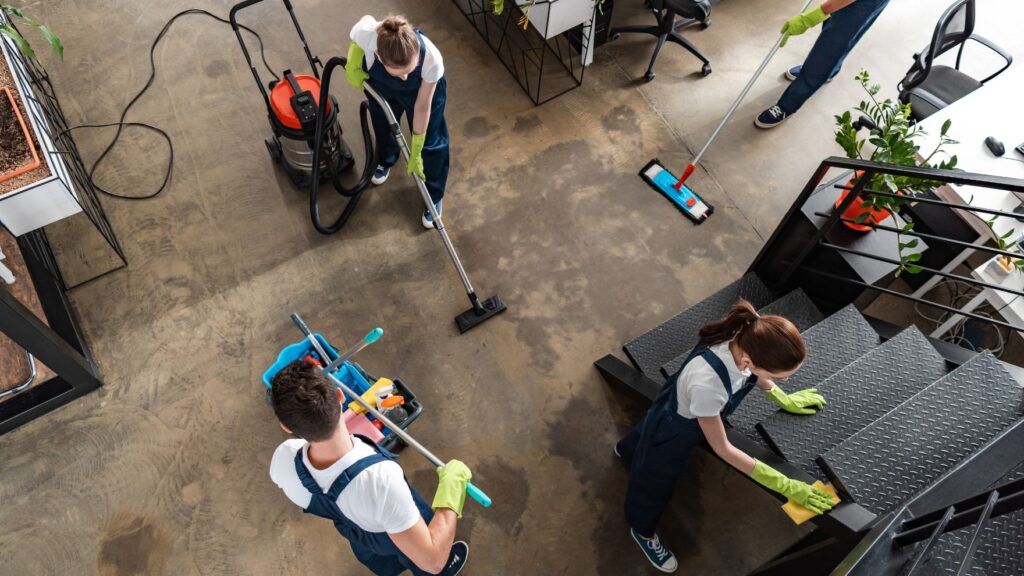
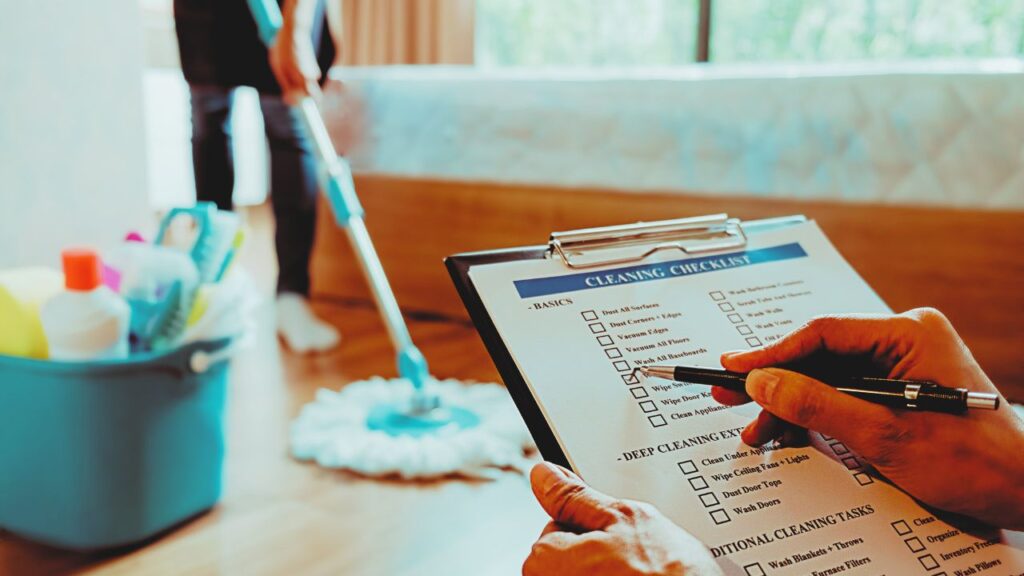
An office cleaning schedule isn’t static, it needs regular oversight to stay effective. Tracking task completion with checklists or digital systems helps maintain accountability and ensures each job is done properly. At Busy Bee, we offer real-time updates so clients can stay informed and in control.
Feedback from employees is a valuable tool. Complaints or patterns, such as constantly empty soap dispensers or messy meeting rooms, often reveal gaps in the schedule. Facility managers should also perform regular inspections to validate cleanliness and confirm that all zones are being serviced as planned.
As business needs shift, the cleaning plan must evolve. Office expansions, seasonal flu outbreaks, or changes in employee volume can all impact how and when cleaning should be done. Reviewing the plan regularly ensures that your cleaning strategy remains aligned with the current environment and supports long-term workplace hygiene.
Common Mistakes to Avoid When Scheduling Office Cleaning
Even the most well-intentioned cleaning plans can fall short if certain pitfalls aren’t addressed. From our experience servicing hundreds of offices across New York City, we’ve identified a few common mistakes that can undermine an otherwise solid cleaning strategy.
One frequent issue is underestimating the level of cleaning required. Businesses often assign light tasks to internal staff, assuming that’s sufficient. In reality, high-traffic zones, restrooms, and shared kitchens demand more than a quick wipe-down. Without proper sanitation, these areas can become hotspots for germs and odors, affecting employee health and brand perception.
Another mistake is failing to align cleaning frequency with actual office usage. For example, cleaning restrooms once a day may work for a small team, but in larger offices, that won’t cut it. The same applies to event rooms or shared break areas that see intermittent surges in foot traffic. A schedule should flex to meet real-time needs, not just follow a static calendar.
Avoiding these missteps helps ensure that your cleaning plan supports your business goals and creates a workplace that feels as clean and professional as it looks.

Conclusion
A well-structured office cleaning schedule is more than a checklist, it’s a foundation for health, efficiency, and professionalism in the workplace. By planning strategically, assigning the right responsibilities, and staying flexible, you ensure your space stays clean and your team stays focused.
Let’s Plan Your Clean
Free Quote
We’ll call you, assess your space, and give you a clear estimate.
Learn how we get real results.