Gym Hygiene Tips: Keeping Your Equipment Germ-Free
In a bustling city like New York, your gym’s reputation hinges on more than just great equipment and motivating classes. It depends on how safe and clean members feel the moment they walk in. Sweat, shared surfaces, and constant use make gyms a hotspot for bacteria, viruses, and fungi. Without a solid hygiene plan, even the most well-equipped fitness center can become a breeding ground for illness. The good news? With the right gym hygiene strategy, the right tools, and the right professional support, keeping gym equipment germ-free is not only possible but straightforward.
How Germs Spread in Gyms
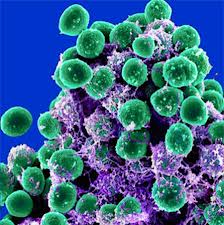
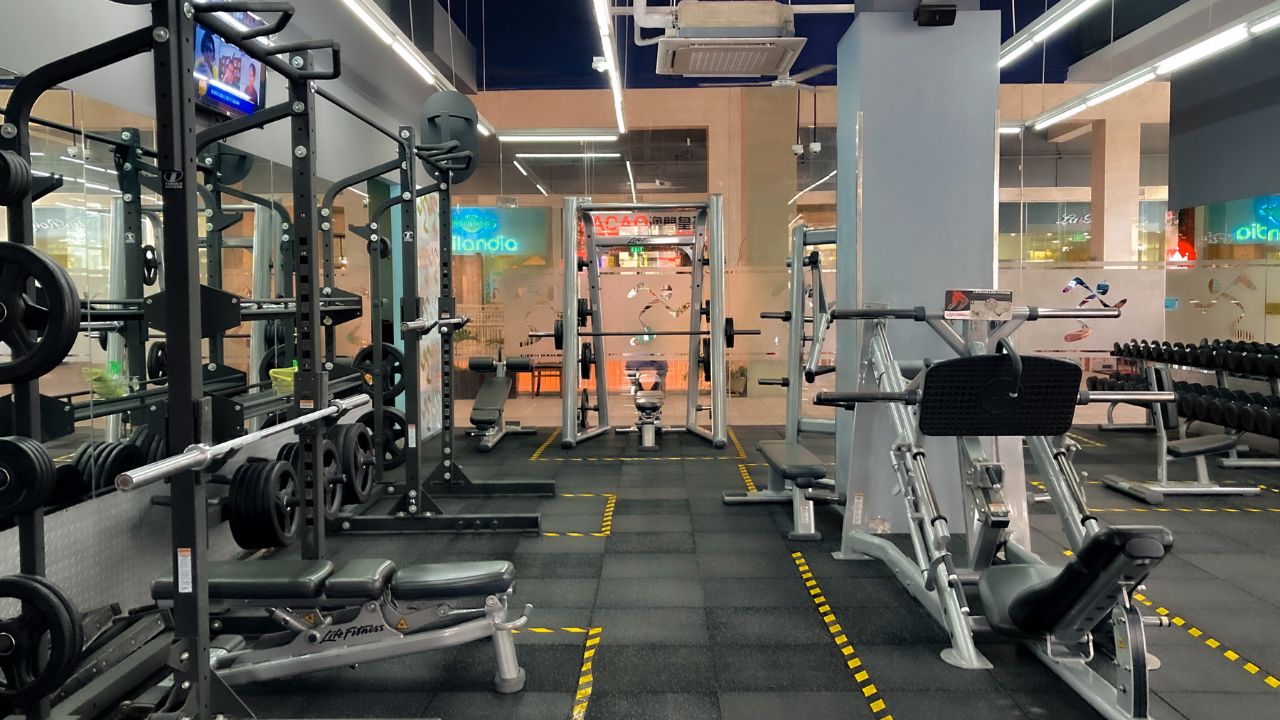
Gyms are high-traffic environments where equipment and surfaces are shared by dozens, sometimes hundreds, of people each day. This constant contact creates ideal conditions for the transfer of bacteria, viruses, and fungi. The most common culprits include Staphylococcus aureus (including MRSA), which can live on surfaces for days, and various strains of the flu virus, which can survive on hard equipment for up to 24 hours. Fungal organisms, such as those that cause athlete’s foot and ringworm, thrive on warm, moist surfaces like locker room floors and yoga mats.
Transmission often occurs through high-touch surfaces like, dumbbells, weight machines, treadmill handles, exercise mats, and even touchscreen consoles. When a member touches an infected surface and then their face, especially their eyes, nose, or mouth, pathogens can easily enter the body. Sweaty hands, inadequate wiping between uses, and poor ventilation only increase the risk.
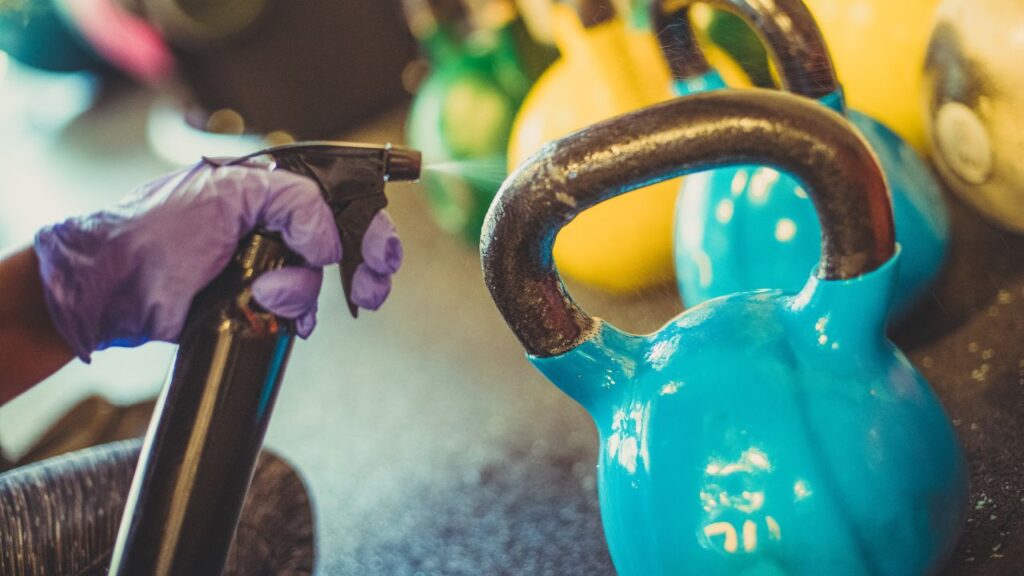
This is why consistent gym hygiene is more than aesthetics, it’s an investment in member health and operational safety. Identifying where and how germs spread is the first step toward building an effective cleaning and disinfection plan. By combining daily sanitation with member education, we can greatly reduce cross-contamination and keep the gym safe for everyone.
Need a Reliable Cleaning Partner in NYC? We deliver consistent, professional commercial cleaning supported by trained in-house staff and clear communication. If you’re looking for a service that respects your space, your schedule, and your operational flow, we’re here to help.
Daily Cleaning Protocols for Gym Equipment
Daily cleaning isn’t just a checklist, it’s the frontline defense against illness in your facility. Every piece of equipment that comes into direct contact with members should be sanitized multiple times a day, especially during peak hours. This includes free weights, benches, resistance machines, cardio equipment, and exercise mats.
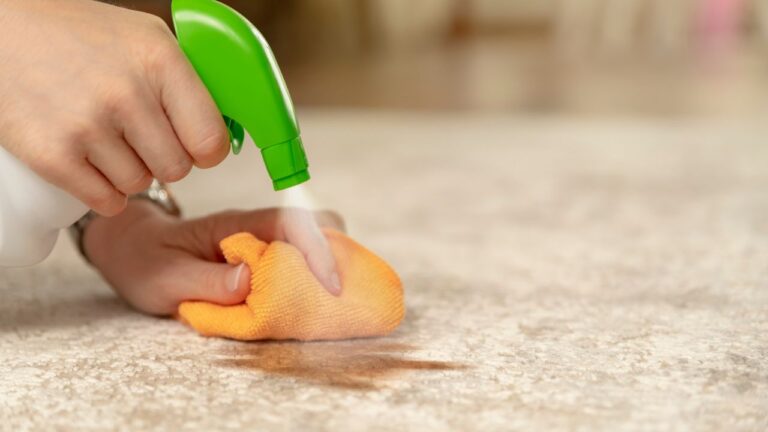
A reliable approach is to follow the “clean as you go” principle. After each use, surfaces should be wiped down with a disinfectant that’s effective against bacteria, viruses, and fungi. Microfiber cloths or single-use disinfectant wipes are best, as they capture and remove more contaminants than paper towels. For treadmills, ellipticals, and bikes, focus on high-touch points like handles, consoles, and adjustment knobs. For mats and padded surfaces, a gentle yet effective cleaning agent prevents damage while ensuring hygiene.

High-Touch Surfaces That Need Extra Attention
In any gym, some areas collect more germs than others simply because they’re touched constantly throughout the day. While machines and weights are obvious, there are many overlooked spots that can harbor harmful microorganisms if not cleaned frequently.
Door handles, locker latches and water fountain buttons are prime examples. These surfaces see repeated contact from multiple people in rapid succession, making them hotspots for cross-contamination. Stretching areas, balance balls, and resistance bands also accumulate sweat and skin cells, which can encourage bacterial growth if they aren’t wiped down regularly. Even less obvious items like the edges of mirrors, window sills near cardio equipment, and handrails on staircases, can carry pathogens if ignored.

A best practice is to maintain a “high-touch checklist” that staff can follow during every shift. These lists ensure no surface is forgotten, especially during busy periods. Incorporating targeted gym hygiene here helps streamline the process: clean in one direction to avoid recontamination, change cloths frequently, and use separate supplies for different areas to prevent spreading germs between spaces.
By giving extra attention to these high-contact points, we reduce the microbial load in the gym and protect both staff and members from preventable illness.
Choosing the Right Cleaning Products and Tools
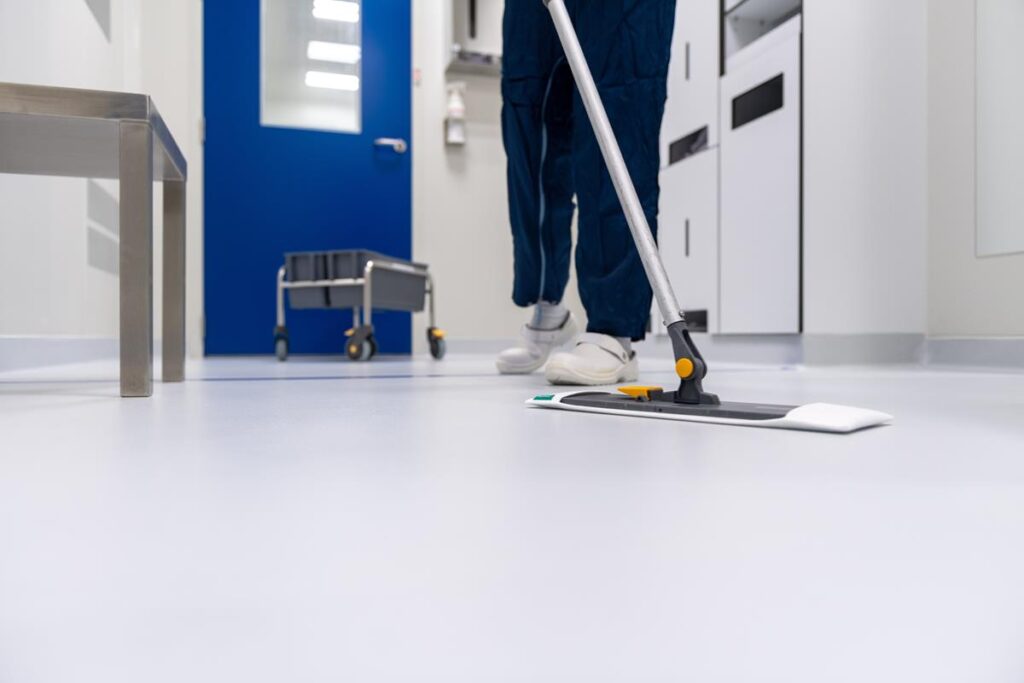
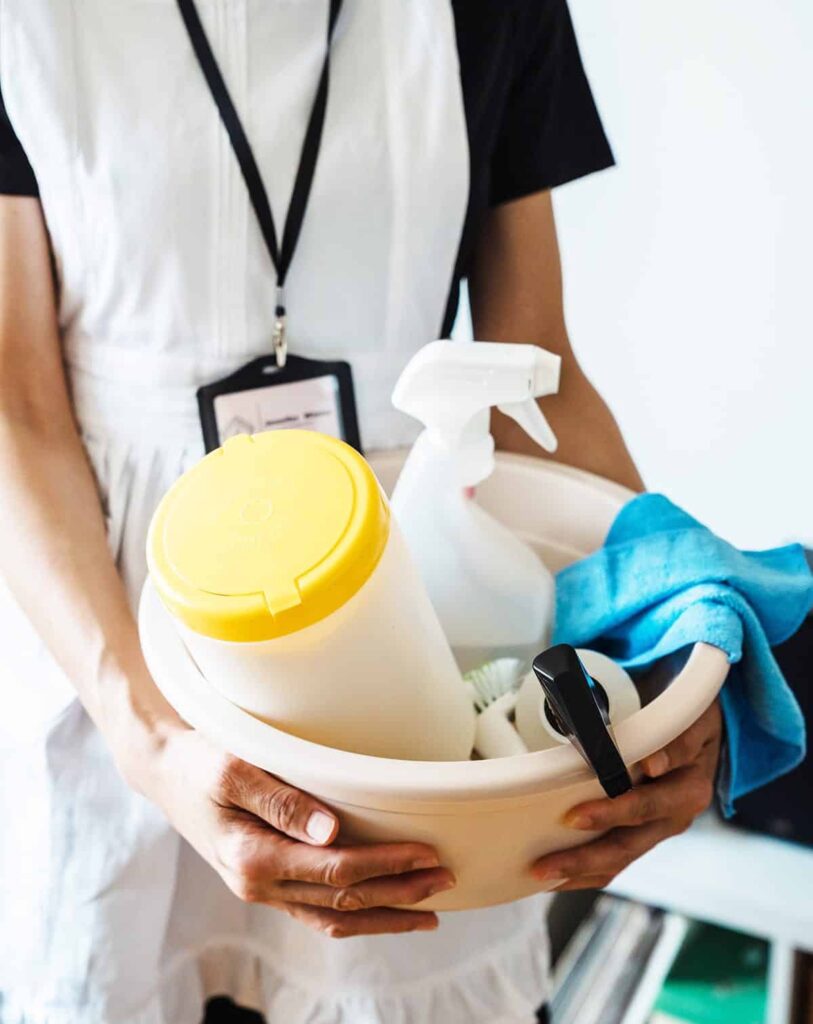
In a gym, the right cleaning products and tools are just as important as the cleaning itself. Disinfectants should be proven to eliminate the bacteria, viruses, and fungi most common in fitness environments. Pre-moistened disinfectant wipes are ideal for quick, consistent cleanings, while microfiber cloths trap far more dirt and germs than cotton. For floors, mops with removable, washable heads ensure sweat and spills are handled quickly. Specialized equipment, such as treadmill consoles and upholstered benches, requires gentle yet effective solutions that clean without causing damage.
Applying gym hygiene best practices during staff training, like rotating cloths to avoid cross-contamination, storing products correctly, and clearly labeling all solutions, ensures consistent results. By combining the right products with proper application methods, we not only protect members’ health but also extend the lifespan of gym equipment, keeping the facility safe, clean, and ready for daily use.
Encouraging Member Participation in Hygiene
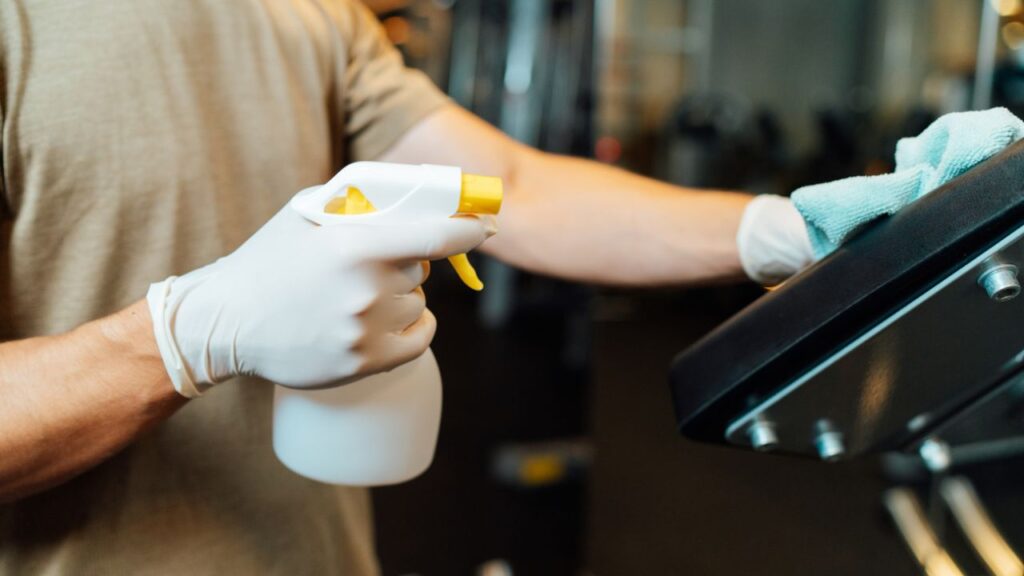
Maintaining excellent gym hygiene isn’t solely the responsibility of staff, member cooperation plays a key role in keeping the environment safe and inviting. The most effective way to encourage participation is by making cleaning tools accessible and visible. Strategically placed sanitizing stations stocked with disinfectant wipes, spray bottles, and paper towels remind members to clean equipment before and after each use. Clear, well-designed signage near workout zones reinforces this habit without being intrusive.
Another effective tactic is to integrate hygiene into the gym culture. Offering short orientations for new members, posting friendly reminders on social media, and having staff lead by example can normalize cleaning as part of every workout. A positive, shared approach helps members see themselves as partners in maintaining a safe space. By making gym hygiene a visible and valued part of the experience, we protect everyone’s health while strengthening trust in the facility’s standards.

Professional Deep Cleaning Schedules
While daily wipe-downs and member cooperation are essential, they can’t replace the need for regular professional deep cleaning. Over time, sweat, skin oils, and airborne particles settle into surfaces and crevices that routine cleaning may miss. A scheduled deep clean ensures these hidden contaminants are removed, preserving both equipment condition and overall gym hygiene.
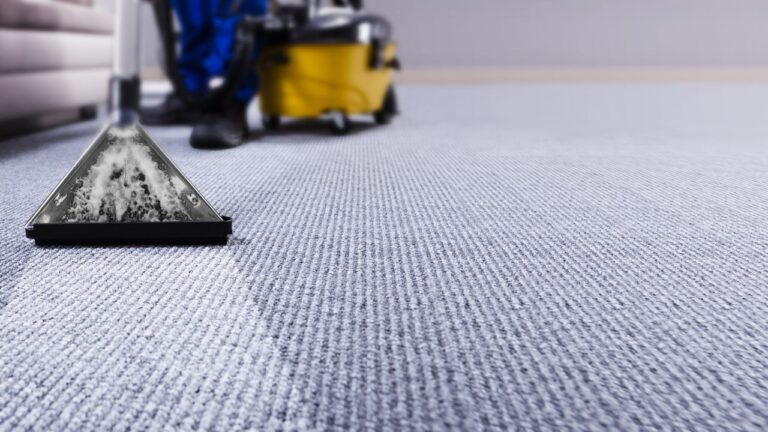
We recommend partnering with a commercial cleaning service that understands the unique needs of fitness facilities. This includes the use of specialized equipment such as steam cleaners for mats, upholstery, and locker rooms, as well as high-powered vacuums for carpets and ventilation systems. A monthly or quarterly deep cleaning schedule, supplemented by targeted weekly tasks, provides a level of sanitation that daily maintenance alone cannot achieve. By combining consistent in-house efforts with periodic professional intervention, we create a safe, hygienic environment members can rely on year-round.

Staff Training and Accountability
Even the best cleaning plan will fall short without a well-trained, accountable team. Every staff member, from front desk personnel to custodial crews, should understand the specific cleaning protocols that support gym hygiene. This includes knowing which products to use on different surfaces, the correct dwell times for disinfectants, and the proper sequence for cleaning to avoid cross-contamination.
Accountability comes from setting clear expectations and monitoring performance. Using checklists, time logs, and periodic quality inspections ensures that procedures are being followed consistently. Staff should also feel empowered to address hygiene issues proactively, whether that means cleaning a spill immediately or reminding members to wipe down equipment. By combining thorough training with a culture of responsibility, we ensure that gym hygiene standards are upheld every day, and that members can see the care and professionalism behind the cleanliness of the facility.

Conclusion
Maintaining high gym hygiene standards is more than a cleaning checklist. It’s a commitment to protecting member health, preserving equipment, and enhancing the overall experience in your facility. From daily wipe-downs and targeted attention to high-touch surfaces, to professional deep cleaning and consistent staff training, every step plays a role in keeping germs at bay. Encouraging member participation ensures that hygiene becomes a shared responsibility, creating a safer, more welcoming environment for everyone.
A clean gym is a trusted gym. If you want your facility to stand out in New York’s competitive fitness market, investing in strong hygiene practices is non-negotiable. We can help you design and implement a tailored cleaning plan that meets your facility’s needs and exceeds member expectations. We’ll take care of the mess, so you can take care of business, schedule your next facility cleaning with us today.
Let’s Plan Your Clean
Free Quote
We’ll call you, assess your space, and give you a clear estimate.
Learn how we get real results.