
Why Regular Medical Equipment Cleaning Is Critical
In healthcare environments, every detail matters, especially when it comes to hygiene. While floors and surfaces often receive daily attention, the cleanliness of medical equipment is just as critical. Improper or inconsistent cleaning practices can lead to cross-contamination, put patient safety at risk, and even violate regulatory standards. In this article, we break down why routine cleaning of medical equipment is essential, which items demand the most attention, and how your facility can ensure compliance with minimal disruption to care.
Why Medical Equipment Must Be Regularly Cleaned
Medical equipment comes into direct contact with patients and staff every day, making it a potential carrier of harmful microorganisms if not maintained correctly. Items such as thermometers, infusion pumps, blood pressure cuffs, and diagnostic tools can quickly become reservoirs for bacteria and viruses. The risks are twofold:
- Infection Control: Contaminated devices can transmit pathogens, leading to healthcare-associated infections (HAIs) that endanger both patients and healthcare workers. The CDC highlights that proper disinfection of equipment is a frontline defense against HAIs.
- Regulatory Compliance: OSHA and CDC guidelines, along with state health department regulations, mandate strict cleaning protocols. Failing to meet these standards can result in penalties, liability concerns, and reputational damage.
- Operational Efficiency: Dirty or malfunctioning equipment can compromise diagnostic accuracy, delay treatment, and create costly downtime.
In short, consistent equipment cleaning is not just about appearance, it’s a matter of safety, compliance, and professional responsibility.
High-Risk Equipment and Surfaces
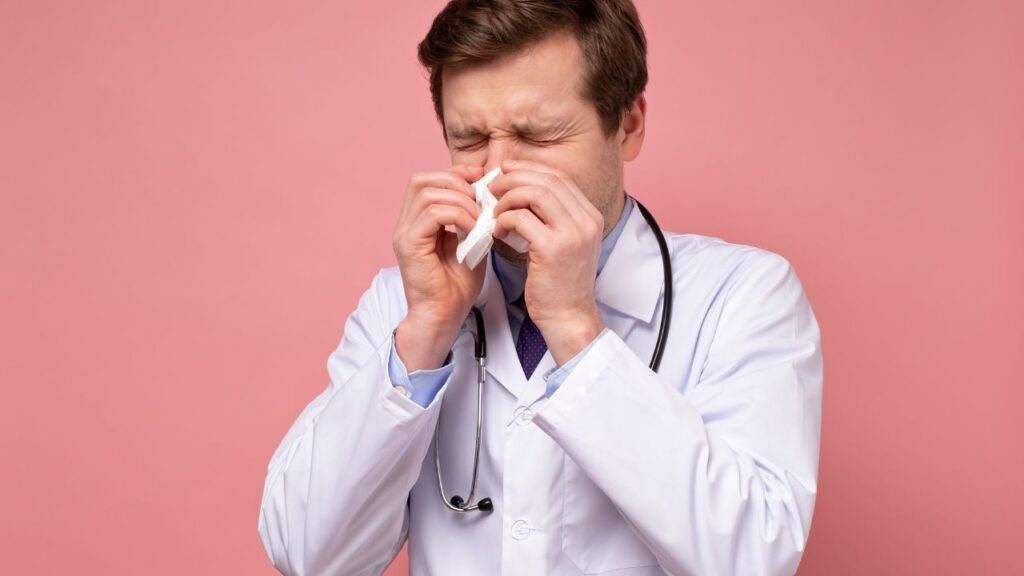
Not all medical tools carry the same level of risk. Some items require more frequent and detailed cleaning because they are repeatedly touched or come into direct contact with patients. These high-risk categories include:
Need a Reliable Cleaning Partner in NYC? We deliver consistent, professional commercial cleaning supported by trained in-house staff and clear communication. If you’re looking for a service that respects your space, your schedule, and your operational flow, we’re here to help.
- High-Touch Devices: Stethoscopes, otoscopes, thermometers, and blood pressure cuffs. These tools are used on multiple patients throughout the day and can easily spread microorganisms if not disinfected between uses.
- Shared Electronic Equipment: Tablets, keyboards, ultrasound machines, and diagnostic monitors often pass between staff members, creating opportunities for cross-contamination.
- Invasive or Semi-Critical Instruments: Items such as endoscopes, surgical tools, or probes require advanced cleaning, disinfection, and sometimes sterilization to prevent bloodstream or surgical site infections.
- Environmental Surfaces Near Equipment: Even carts, trays, and stands that support medical devices must be regularly wiped down, as pathogens can survive on surfaces for hours or even days.
By prioritizing these high-risk tools and surfaces, facilities can dramatically reduce the chance of infection transmission while ensuring compliance with health standards.

Cleaning vs. Disinfecting vs. Sterilizing
One of the biggest challenges in medical equipment maintenance is knowing which process to apply. Each step plays a distinct role in infection control:
Cleaning
The first and most basic step, cleaning removes visible dirt, organic matter, and debris using water, detergents, or enzymatic cleaners. While it doesn’t kill germs, it prepares equipment for effective disinfection or sterilization. For example, wiping down a blood pressure cuff with soap and water removes contaminants that could interfere with disinfectants.

Disinfecting
Disinfection goes beyond cleaning by killing most pathogenic microorganisms on surfaces and equipment. EPA-approved disinfectants or alcohol-based wipes are commonly used for items like stethoscopes, infusion pumps, or diagnostic monitors. However, disinfection does not eliminate all spores.
Sterilizing
Sterilization is the most rigorous process, destroying all forms of microbial life, including spores. Methods such as steam sterilization (autoclaving), chemical sterilants, or low-temperature gas plasma systems are used for surgical tools and invasive devices. Sterilization is mandatory for any equipment that enters sterile body sites.
Understanding these distinctions ensures that staff apply the right method for each type of equipment, preventing both under-cleaning and unnecessary wear from overuse of harsh processes.

Step-by-Step Guide to Proper Medical Equipment Cleaning
A structured process helps ensure consistency, safety, and compliance. Here’s a breakdown healthcare teams can follow:
1. Preparation
- Wear appropriate PPE (gloves, mask, gown if required).
- Gather approved cleaning products and disposable wipes.
- Ensure equipment is unplugged or powered down if electrical.
2. Initial Cleaning
- Remove visible dirt, organic matter, and body fluids using soap, water, or enzymatic cleaners.
- Use disposable cloths or wipes to avoid cross-contamination.
3. Disinfection
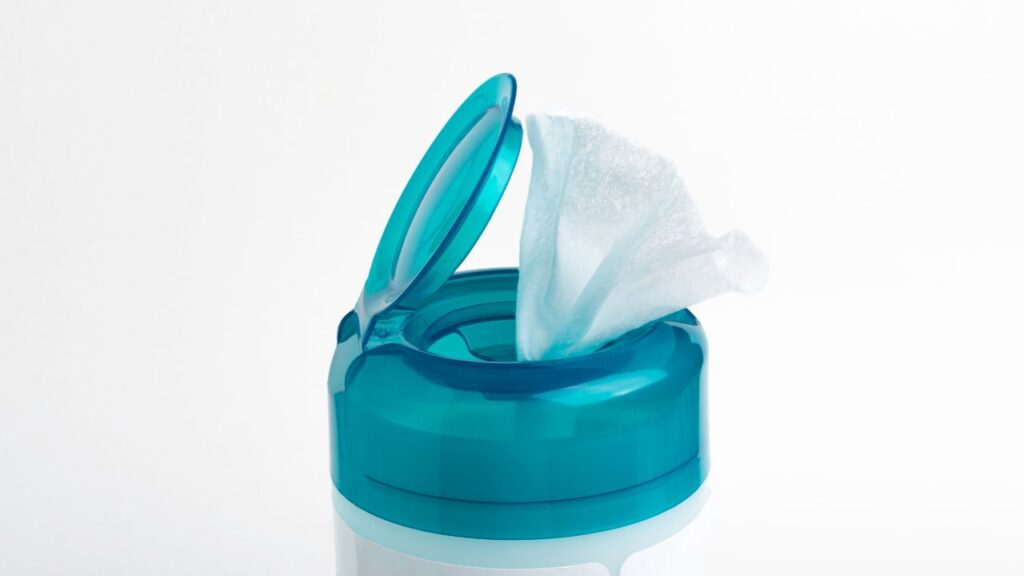
- Apply EPA-registered disinfectants or alcohol-based solutions according to manufacturer instructions.
- Focus on high-touch areas: handles, buttons, touchscreens, and tubing.
- Follow proper contact time — many disinfectants require surfaces to stay wet for several minutes to be effective.
4. Rinse and Dry (if applicable)
- Rinse equipment parts that may be sensitive to chemical residue.
- Allow items to fully air-dry on a clean, disinfected surface to prevent microbial growth.

5. Sterilization (for invasive tools)
- Use autoclaves, chemical sterilants, or low-temperature methods as required.
- Package sterile instruments correctly to avoid recontamination.
6. Documentation
- Record cleaning and disinfection activities in a log or digital system for compliance.
- Track frequency to ensure adherence to protocols.
By following these steps, facilities can achieve consistent hygiene standards while extending the lifespan of valuable equipment.
Common Mistakes and How to Avoid Them
In medical facilities, small errors in cleaning protocols can quickly escalate into serious hygiene risks. A common mistake is skipping the cleaning step before disinfection, which makes disinfectants less effective. Another frequent issue is not allowing enough contact time for solutions to properly kill pathogens. Cross-contamination also occurs when the same cloths or gloves are used across multiple devices, spreading germs instead of removing them.
Improper drying and storage can further compromise safety, as damp equipment creates an ideal environment for microbial growth. Using harsh chemicals without following manufacturer guidelines may damage sensitive instruments, while inconsistent staff training often results in uneven cleaning standards. By reinforcing proper procedures, investing in staff education, and following manufacturer recommendations, facilities can avoid these pitfalls and maintain reliable hygiene practices.

Busy Bee’s Role in Healthcare Facility Hygiene
At Busy Bee, we understand that medical environments demand a higher level of precision, accountability, and consistency than any other setting. Our teams are rigorously trained to follow detailed checklists that align with CDC and OSHA standards, ensuring every piece of equipment and surrounding surface is cleaned, disinfected, or sterilized appropriately. We focus on high-touch tools and sensitive devices, applying approved methods that remove contaminants without damaging the equipment. Because time is critical in healthcare, our scheduling is flexible and designed to minimize disruption, allowing medical staff to focus fully on patient care.
We also integrate digital reporting and real-time updates, giving facility managers full visibility into what has been cleaned, when, and how. This transparency not only supports compliance but also strengthens trust between clinical staff and cleaning teams. By combining consistent procedures, trained in-house staff, and responsive communication, we provide healthcare facilities with a dependable partner for infection control. Our goal is simple: create safer environments where patients and staff can operate with confidence, knowing that every detail of hygiene has been addressed with care and professionalism.
Let’s Plan Your Clean
Free Quote
We’ll call you, assess your space, and give you a clear estimate.
Learn how we get real results.