
Cleaning Special Indoor Environments
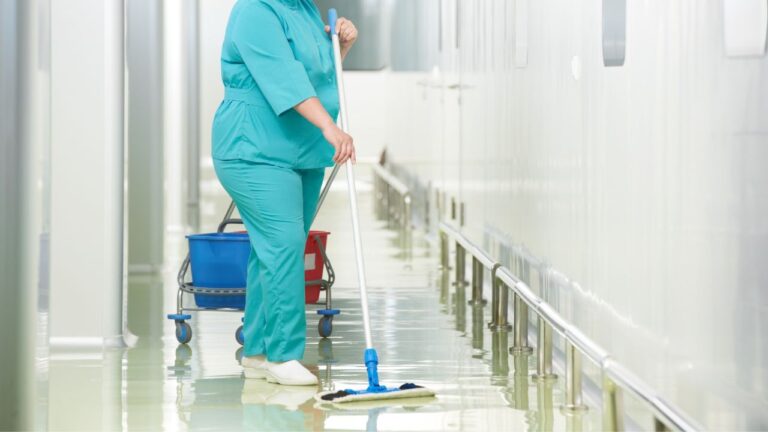
In the world of commercial cleaning, not all indoor spaces are created equal. Some environments, such as schools, healthcare facilities, and daycare centers, require enhanced cleaning protocols due to their unique composition and population sensitivity.
These spaces often feature a variety of structural materials, climate controls, and high-traffic furnishings that serve as reservoirs for dust, allergens, pathogens, and chemical residues. To maintain health and safety, we must approach these environments as controlled ecosystems, where every surface and system contributes to overall indoor air quality and hygiene.
Unlike general office cleaning, special indoor environments demand more than basic custodial services. Effective cleaning here means removing contaminants without damaging materials or disrupting daily operations. As professional cleaners, we understand that effective maintenance in sensitive spaces isn’t just about appearances. It’s about safeguarding the people who work, learn, and recover inside them.
Vulnerable Populations and Sensitive Spaces
Certain environments serve groups that are especially vulnerable to environmental contaminants, and that means the stakes are higher. In schools and daycare centers, for example, children have underdeveloped immune systems and are more susceptible to chemical exposure, allergens, and airborne particulates.
Need a Reliable Cleaning Partner in NYC? We deliver consistent, professional commercial cleaning supported by trained in-house staff and clear communication. If you’re looking for a service that respects your space, your schedule, and your operational flow, we’re here to help.
Similarly, elderly individuals in nursing homes or patients in medical clinics may have chronic conditions or weakened immunity, making them more likely to suffer from the consequences of inadequate cleaning. In these spaces, traditional cleaning approaches simply aren’t enough. We must apply methods that eliminate harmful substances while minimizing harsh chemical residues.
Maintaining a hygienic space in these facilities isn’t just about cleanliness, it’s about health outcomes. Improper cleaning can lead to increased transmission of respiratory illnesses, bacterial infections, and even asthma triggers. In schools, these health issues can result in lower attendance and reduced academic performance. In nursing homes and healthcare centers, the risks can escalate quickly.
That’s why our work in these environments focuses on prevention. We rely on non-toxic disinfectants, color-coded tools to prevent cross-contamination, and protocols that prioritize both cleanliness and safety at every level.

Key Challenges in High-Occupancy Facilities
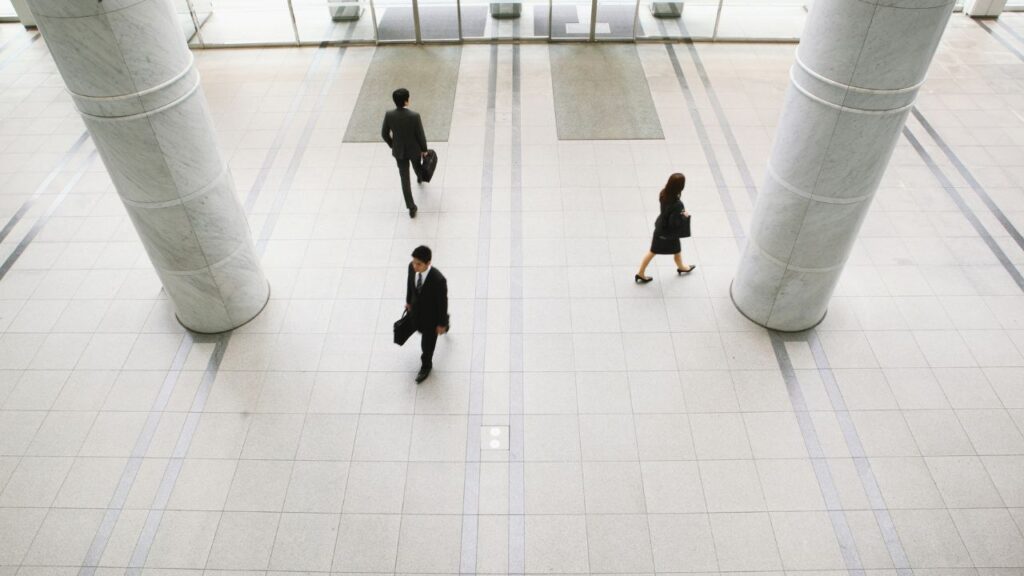
High-traffic environments like corporate offices, hotels, and event venues come with their own set of cleaning challenges. With constant movement of people and frequent use of shared surfaces, these facilities become hotspots for germs, allergens, and airborne particulates.
Elevators, restrooms, lobbies, and conference rooms accumulate bacteria and viruses on high-touch surfaces that require regular attention. If these areas are not properly sanitized, they can become sources of infection that impact employee health and business operations.
Routine vacuuming and surface wiping are not enough to keep these spaces safe. Carpets trap dust, dander, and microbes that require deep cleaning to fully extract. We’ve seen firsthand how overlooked areas like door handles, desk phones, and break room fixtures contribute to workplace illness.
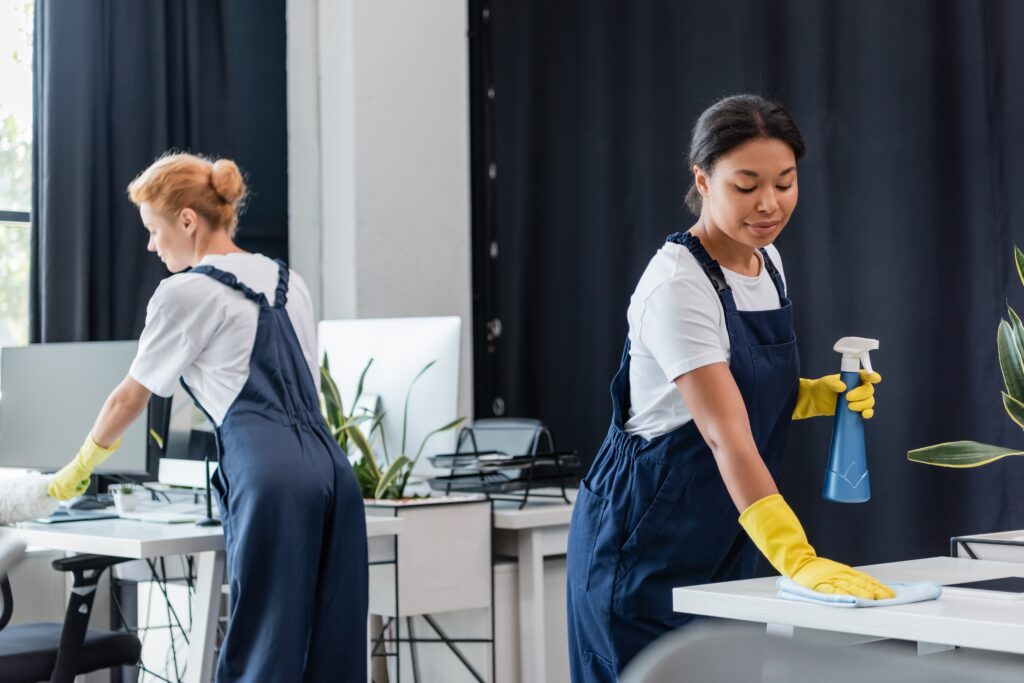
That’s why our cleaning strategy in high-occupancy facilities is built on detailed checklists, zone-based disinfection, and a focus on touchpoint hygiene. These aren’t extras, they’re necessary safeguards for shared environments.
Effective Cleaning Strategies for Special Environments
Cleaning sensitive indoor environments starts with understanding the materials, traffic patterns, and population health risks involved. Our teams are trained to assess each space and apply the correct combination of tools and procedures to ensure thorough results without disruption.
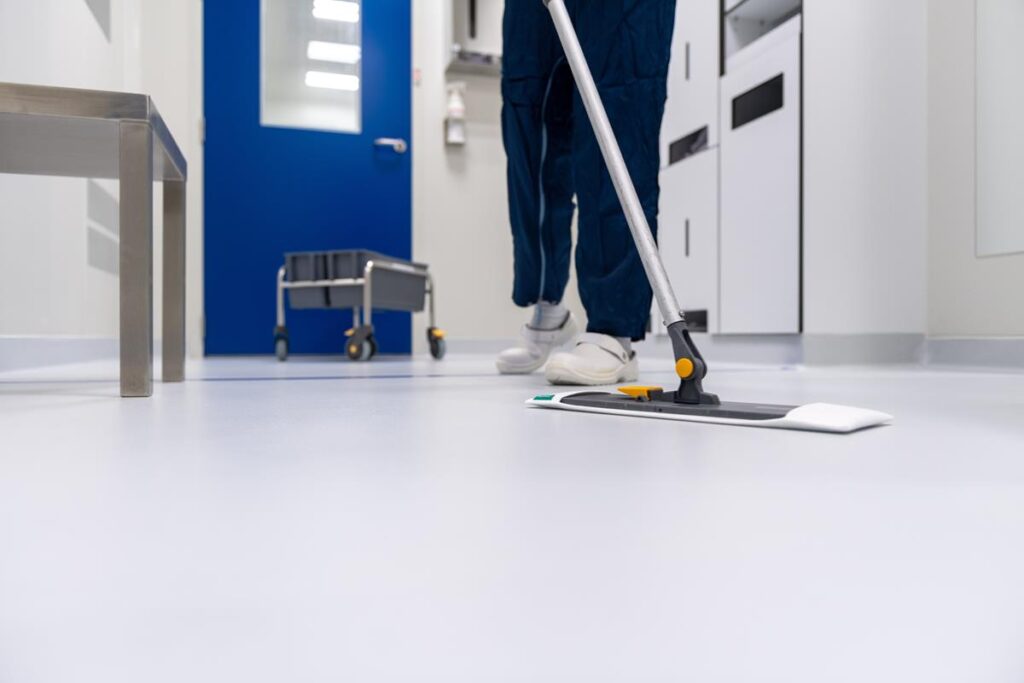
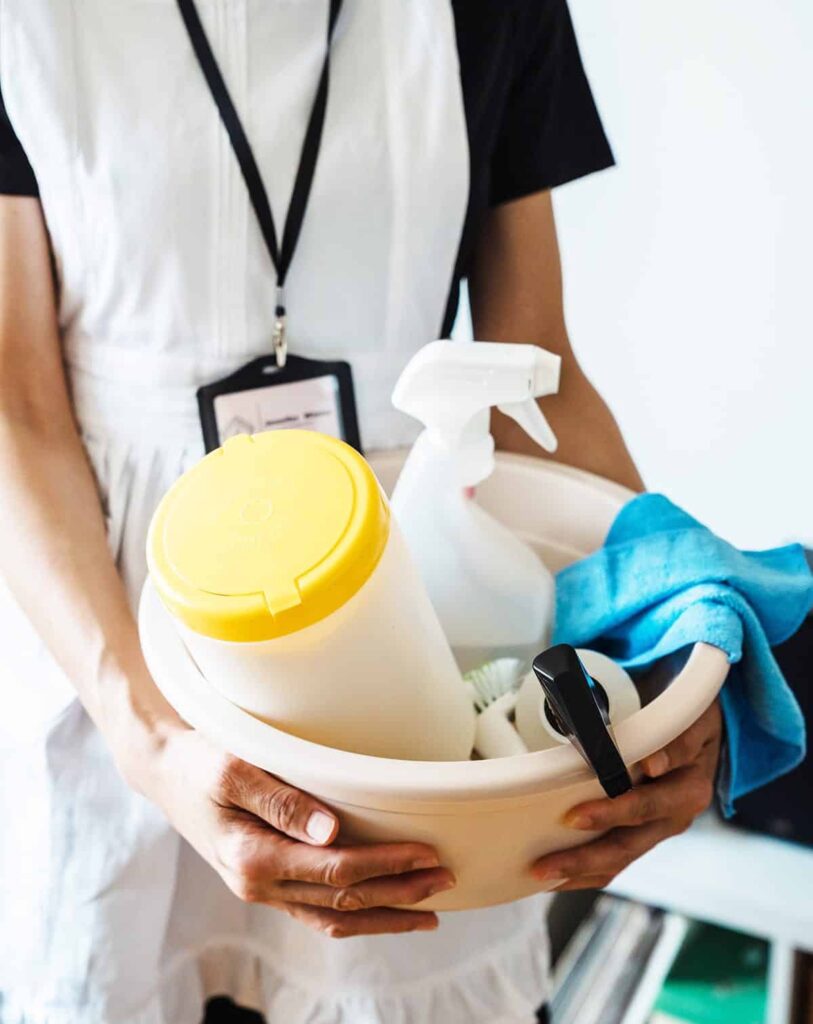
Technique matters just as much as the products we use. For example, in a medical office, cross-contamination is a serious risk, which is why we use color-coded cloths and designated cleaning zones. In schools and childcare centers, we focus on low-toxicity products that won’t leave harmful residues.
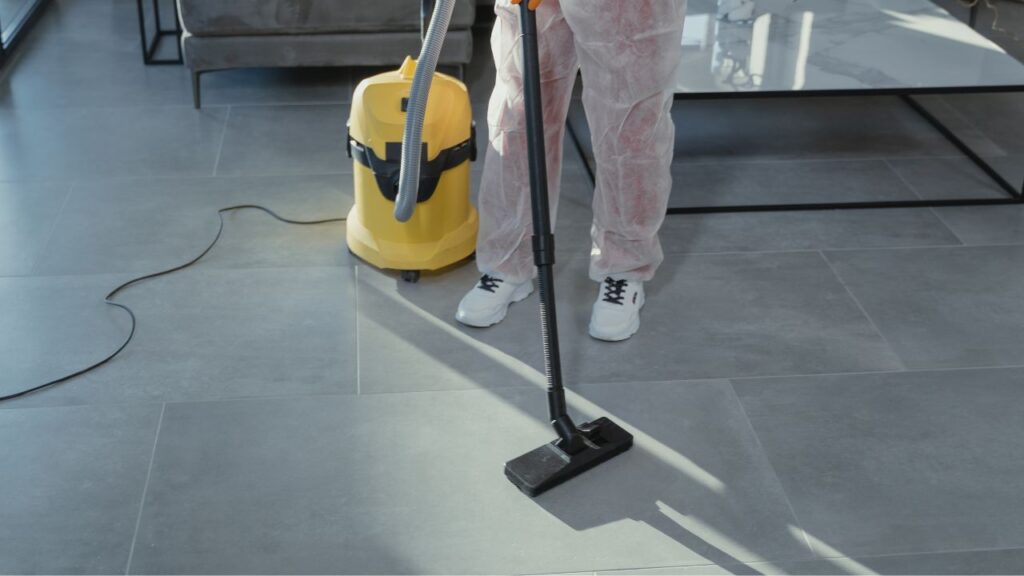
We always prioritize touchpoints like desks, doorknobs, light switches, and shared equipment, as these areas are most likely to transmit bacteria and viruses. Whether we’re deep cleaning carpets or sanitizing restrooms, every action we take is measured against one goal, maintaining a healthy environment without compromising the integrity of the space.

Ongoing training plays a critical role in how we approach these environments. We consistently update our teams on new protocols, compliance requirements, and product innovations. This ensures that our services remain not only effective, but also aligned with the evolving needs of our clients.
Facility managers trust us because we bring precision and adaptability to every project, whether we’re working after hours in a corporate office or providing daytime support in a healthcare setting. The details matter, and we never cut corners when it comes to health and safety.
Designing for Cleanability vs. Maintaining It
Architects and facility planners are increasingly incorporating design features that support cleanliness, from antimicrobial surfaces to advanced ventilation systems. These elements play an important role in reducing the buildup of contaminants, making spaces easier to maintain over time. For example, schools may be outfitted with resilient flooring and wipeable furniture, while clinics might include touchless fixtures and sealed wall finishes. These features are a strong foundation, but they’re only part of the equation.
Even the most well-designed environment still requires consistent, professional cleaning to remain safe and functional. Dust settles, bacteria spreads, and wear from daily use can undermine even the smartest design. That’s where we come in.
Our role is to complement these design choices with tailored cleaning protocols that ensure their long-term effectiveness. Without scheduled sanitizing, vacuuming, and disinfection, any built-in advantage will fade. It’s not design versus maintenance, it’s design and maintenance working together to protect the people inside.
How Busy Bee Delivers Safe, Scalable Cleaning Solutions
At Busy Bee, we understand that cleaning special environments demands more than general custodial routines, it requires a strategic, detail-driven approach. That’s why we train every team member in industry-specific protocols for environments like schools, medical offices, and corporate facilities.
Our in-house staff follows customized checklists, uses approved disinfectants, and operates with professional discretion to minimize disruption. We don’t subcontract or cut corners. Instead, we bring consistency, safety, and accountability to every space we clean.

Conclusion
When you manage a space that serves vulnerable populations or high volumes of people, the quality of your cleaning provider directly impacts health, safety, and trust. At Busy Bee, we take that responsibility seriously. Our procedures are built to meet the highest standards, our teams are trained for complex environments, and our systems are designed to make your job easier, not harder. From schools to healthcare centers to busy offices, we bring professional care to every corner. Book your next facility cleaning with us. It only takes a minute, and we’ll handle the rest.
Let’s Plan Your Clean
Free Quote
We’ll call you, assess your space, and give you a clear estimate.
Learn how we get real results.