
How to Clean Around Modern Art Without Causing Damage
Modern art often defies tradition, using unconventional materials, layered textures and innovative formats, which makes cleaning around it far more complex than routine dusting or mopping. In spaces like galleries, creative studios, and cultural institutions, a single oversight with a cleaning chemical or the wrong cloth can permanently alter a valuable piece. At Busy Bee Cleaning Service, we’ve built our expertise around navigating these challenges with precision. Our teams are trained to maintain pristine commercial spaces without compromising artwork integrity. In this article, we’ll share the essential practices we follow to clean effectively and respectfully around modern art installations.
Understand the Risks of Cleaning Near Art
Cleaning near modern artwork is not just a custodial task, it’s a preservation responsibility. Many contemporary pieces are made with delicate materials like acrylics, untreated wood, textiles, metal, and even found objects, all of which can react unpredictably to moisture, chemicals, or physical contact.
We’ve seen how a standard disinfectant spray, used too close to a canvas, can lead to discoloration or warping. Even something as routine as dusting can scratch a varnished surface if done with the wrong cloth or technique. And with mixed-media or installation pieces, it’s not always clear where the “art” ends and the display begins, which increases the risk of unintentional damage.
Environmental conditions also play a major role. Excess humidity from over-mopping or closed spaces can encourage mold growth, especially on organic materials. Similarly, aggressive floor buffing nearby may generate vibration or airborne particles that settle on surfaces, dulling finishes or leaving residue.
Need a Reliable Cleaning Partner in NYC? We deliver consistent, professional commercial cleaning supported by trained in-house staff and clear communication. If you’re looking for a service that respects your space, your schedule, and your operational flow, we’re here to help.
That’s why our first priority is awareness. Every professional cleaner working in art-filled environments must understand that modern artworks are uniquely sensitive. They require specialized protocols that protect both their appearance and structural integrity. Before taking action, we evaluate the materials involved and the potential impact of our methods, because once damage is done, there’s no easy fix.

Identify and Communicate Cleaning Boundaries
Clear communication is essential when cleaning around valuable artwork. One of the most effective strategies we use is defining strict cleaning boundaries before any service begins. This ensures that our teams know exactly which areas to clean, and more importantly, which areas to avoid.
In spaces like galleries, museums, or creative workspaces, we always request a walkthrough with the facility manager, curator, or point of contact. During this walkthrough, we identify sensitive zones, permanent installations, or artworks that require special consideration. Once defined, these zones are documented on our cleaning checklist and shared with the assigned staff, eliminating guesswork and reducing risk.
We recommend that clients physically mark “no-clean” zones where appropriate. This can include using discreet signage, floor tape, or barriers. For movable art, we encourage temporary relocation during deep cleaning or maintenance routines. For permanent displays, such as wall-mounted sculptures or floor installations, we maintain a safe buffer zone to prevent accidental contact with tools, carts, or cleaning mist.
At Busy Bee, we train our team to ask questions if there’s any uncertainty. We don’t make assumptions when it comes to art. That proactive communication is what allows us to deliver thorough cleaning without ever crossing the line into risk territory.

Use Proper Tools and Products Around Art
When cleaning near modern artwork, the tools and products we use can make all the difference between preserving a piece and unintentionally damaging it. At Busy Bee, we prioritize safe, non-reactive materials and vetted techniques specifically suited for sensitive environments like art galleries and creative spaces.
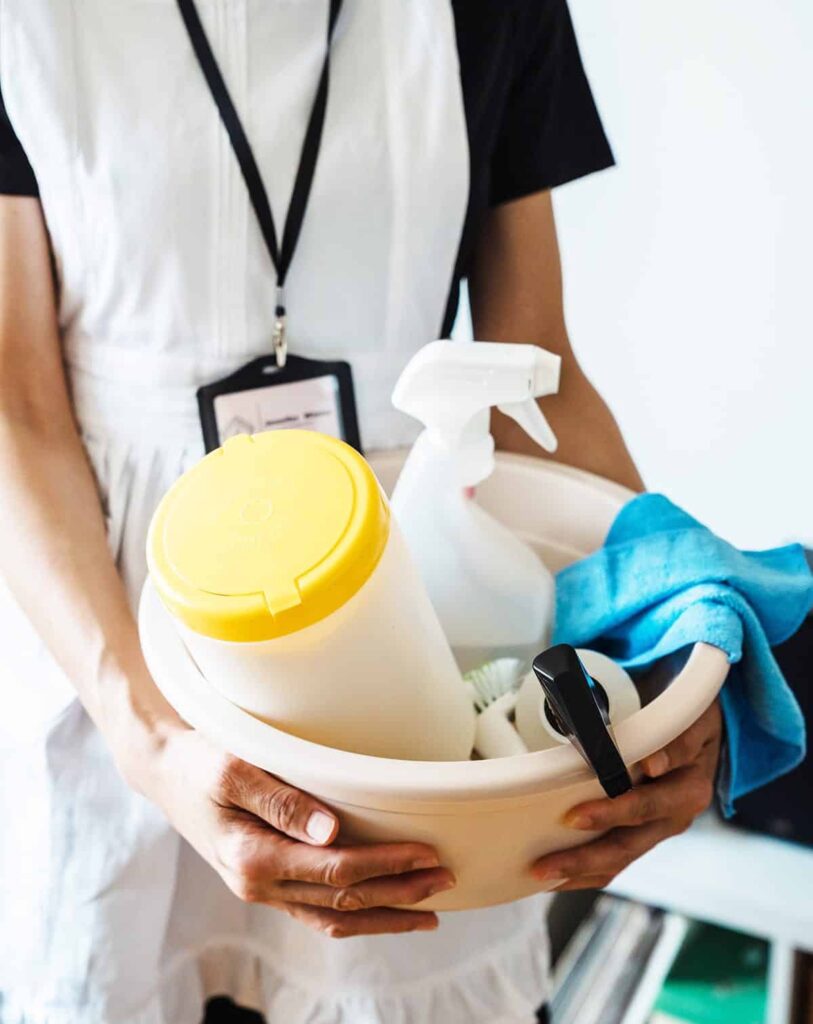
First and foremost, we avoid using any aerosol sprays, harsh solvents, or bleach-based products near artworks. These can release airborne particles or cause chemical reactions that may stain, corrode, or alter surfaces. Instead, we opt for pH-neutral, fragrance-free solutions and apply them using microfiber cloths or pre-moistened wipes, never sprayed directly into the air or onto nearby surfaces.
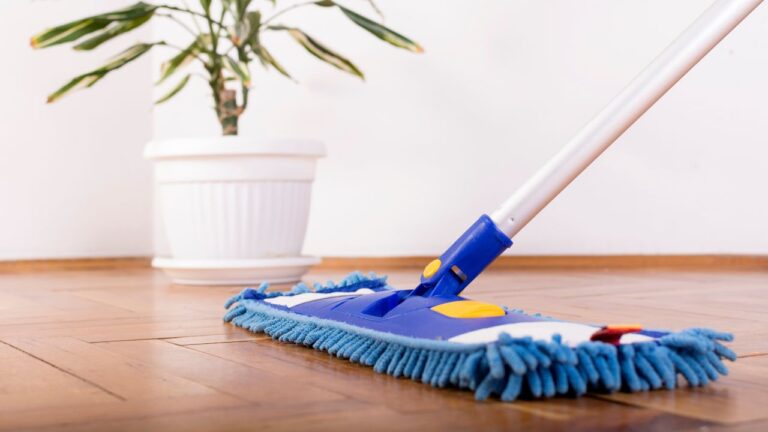
We also ensure that equipment like vacuums and mops are fitted with clean, non-abrasive attachments. Using dirty or worn pads, even on the floor near artwork, risks kicking up debris that can settle on art surfaces or scratch display cases. In locations where sculptures or installations are near the floor, we manually sweep or dust rather than using large machinery that could knock or vibrate delicate elements.
In every case, our staff are trained to assess the space before beginning. If there’s any doubt about what’s safe to use around a particular medium, we default to the most conservative approach and consult with the client.
By maintaining strict control over our materials and methods, we ensure that our cleaning enhances the space without ever compromising the artwork it was designed to showcase.

Collaborate with Conservators When Needed
There are times when even the most experienced custodial team must defer to specialists, and when it comes to high-value or complex artworks, conservators play an essential role. At Busy Bee, we understand where our cleaning responsibilities end and preservation expertise begins.
In institutions with fragile, historic, or multi-material works, we recommend coordinating with a professional art conservator. Always consult a conservator before performing any intensive cleaning near valuable installations.
They offer critical insight into the materials used and the artwork’s structural vulnerabilities. Conservators also advise on the environmental conditions needed to keep each piece stable and safe.
For example, a conservator might advise us to avoid even dry dusting near a mixed-media sculpture if it contains reactive metals or unsealed surfaces. Or they may suggest using museum-quality vacuums with HEPA filters in areas where fine dust could settle on valuable pieces. These are guidelines we readily incorporate into our workflow.
In some cases, we’ve worked in tandem with conservators during cleaning operations, especially when artworks can’t be moved or when special precautions are required. This collaborative approach gives our clients peace of mind, knowing that preservation is prioritized alongside cleanliness.
We see ourselves not just as cleaning professionals, but as partners in protecting the integrity of each space we service. When in doubt, we ask. When guidance is offered, we follow it precisely. It’s how we ensure both hygienic environments and cultural assets are equally respected.

Final Thoughts
Cleanliness and preservation are not at odds, in fact, when done right, they support each other. A well-maintained environment enhances the presentation of modern art, keeps visitors safe, and reflects the professionalism of the institution. But getting there requires more than routine custodial work; it demands awareness, precision, and respect for the space.
At Busy Bee Cleaning Service, we’ve built our protocols with this balance in mind. Our teams are trained to recognize potential risks, follow clear boundaries, and use safe, vetted materials. We don’t cut corners, and we never assume that standard procedures apply to sensitive environments. We service high-traffic galleries, creative studios, and corporate offices with curated art pieces. In every space, we bring the same level of care and discretion.
For facility managers and curators, it’s essential to partner with cleaners who understand the value of displayed artwork. Damage isn’t always dramatic, it can be a faded corner or a softened texture. Even subtle changes can mean a real loss. That’s why we treat what surrounds the artwork with the same care as what we clean directly. Book your next facility cleaning with us, it only takes a minute. Let’s keep your space spotless and your artwork protected.
Let’s Plan Your Clean
Free Quote
We’ll call you, assess your space, and give you a clear estimate.
Learn how we get real results.