
Choosing The Best Entry Mat For A Commercial Building
When it comes to commercial cleanliness, the right entry mat does more than just greet your guests — it shields your floors, controls indoor debris, and reduces long-term maintenance costs. In a high-traffic city like New York, where the elements follow you inside, a poorly chosen mat system can sabotage even the most rigorous cleaning schedule.
At Busy Bee, we’ve seen firsthand how effective matting minimizes mop buckets, protects delicate flooring, and extends the life of janitorial efforts. In this guide, we’ll walk through how to choose entry mats that not only withstand daily abuse but actively support your facility’s hygiene and appearance goals.
Why Entry Mats Matter in Commercial Buildings
Entry mats are more than an accessory — they’re the first line of defense in any commercial cleaning strategy. In high-traffic buildings, dirt, moisture, and debris get tracked in daily, especially in a city like New York where sidewalks and subway grime are constant variables. Without the right matting, this buildup quickly spreads through lobbies, elevators, and work areas, leading to dirty floors, safety risks, and higher cleaning costs.
From a maintenance perspective, entry mats help protect floor surfaces by absorbing abrasive particles that would otherwise scratch, stain, or wear down materials like hardwood, vinyl, tile, and carpet. This simple barrier can reduce floor maintenance needs by as much as 60%, according to the International Sanitary Supply Association (ISSA).
Need a Reliable Cleaning Partner in NYC? We deliver consistent, professional commercial cleaning supported by trained in-house staff and clear communication. If you’re looking for a service that respects your space, your schedule, and your operational flow, we’re here to help.
But it’s not just about protecting flooring — it’s about presenting a clean, polished, and professional environment from the moment someone walks through your door. Whether it’s clients, employees, or visitors, their first impression starts at the entrance.
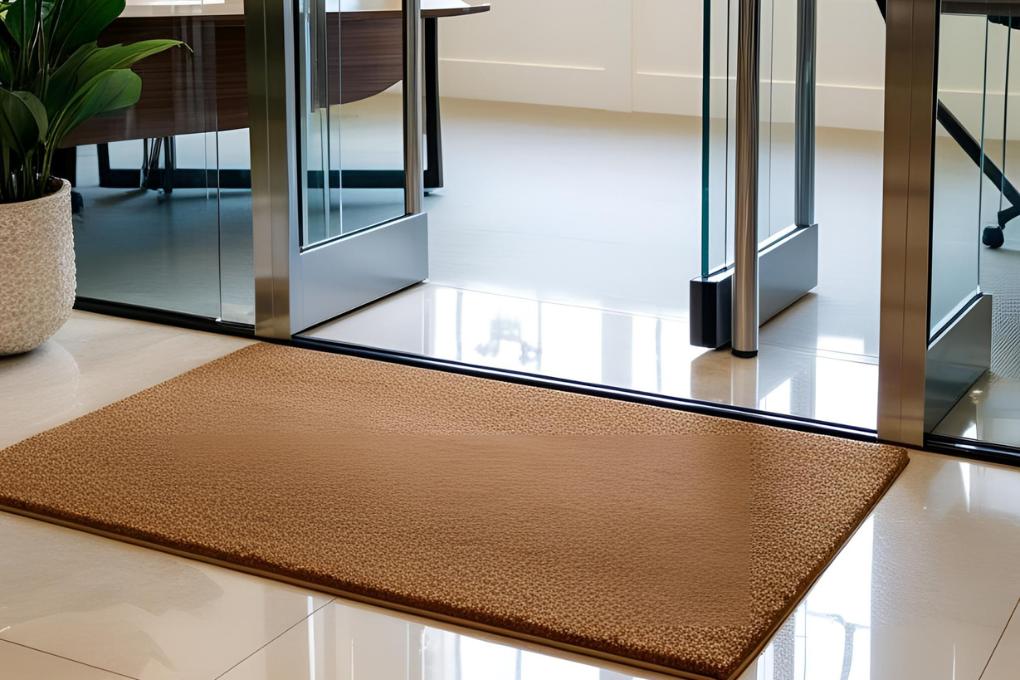
Types of Entry Mats and Their Functions
Not all entry mats serve the same purpose. For optimal performance, most commercial buildings benefit from a three-zone matting system, each type targeting a specific threat to cleanliness: dirt, moisture, and residue.
1. Scraper Mats
These mats are placed just outside the entrance, designed to scrape off heavy debris such as gravel, mud, salt, and snow. Made of durable materials like rubber or heavy-duty vinyl, scraper mats are textured or ridged to maximize dirt removal before anyone even steps inside. They’re weather-resistant and built to perform under the toughest conditions.

2. Wiper/Scraper Mats
This hybrid mat lives in the transitional space between exterior and interior, often in a vestibule or lobby entry. It continues the scraping action while also beginning to absorb moisture. These mats typically feature coarse fibers mixed with absorbent material to reduce wet footprints and slip hazards.

3. Wiper Mats
The final layer is all about absorbing remaining moisture and fine dust. Placed just inside the building, these mats are softer underfoot and help polish shoes dry. They also enhance aesthetic appeal by blending with interior design, some can be branded with a company logo or message for a professional touch.

When used together, these mats can trap up to 85% of incoming dirt and moisture. For high-traffic buildings, using all three types is more than a recommendation, it’s a standard in maintaining hygiene and preserving floor integrity.
Key Factors to Consider When Choosing Entry Mats
Selecting the right entry mat for your commercial building isn’t just about picking something that fits the doorframe, it’s about understanding your space, traffic patterns, and cleaning goals. Here are the essential considerations we guide our clients through when advising on matting systems:
- Foot Traffic Volume: High-traffic entrances, such as those in office towers, medical clinics, or event venues, demand durable matting designed to handle thousands of steps per day. Mats should be heavy enough to stay in place and engineered to resist flattening or curling.
- Weather Exposure: In New York, seasonal changes are tough on entryways. Buildings exposed to rain, snow, or street runoff need mats with high moisture absorption rates and quick-dry properties. Scraper mats with drainage holes and water-dam borders help contain messes before they spread inside.
- Slip Resistance and ADA Compliance: Safety is non-negotiable. Mats must stay securely in place and provide traction even when wet.
- Material and Maintenance Requirements: Choose materials that align with your cleaning program. Some mats require regular vacuuming and periodic deep cleaning; others are designed for machine washing.
- Aesthetics and Branding: Your entry mat is part of your facility’s visual presentation. Neutral colors work well for hiding dirt, but branded mats can elevate the entrance with your company logo or custom messaging. Just ensure any design choices don’t sacrifice functionality or durability.
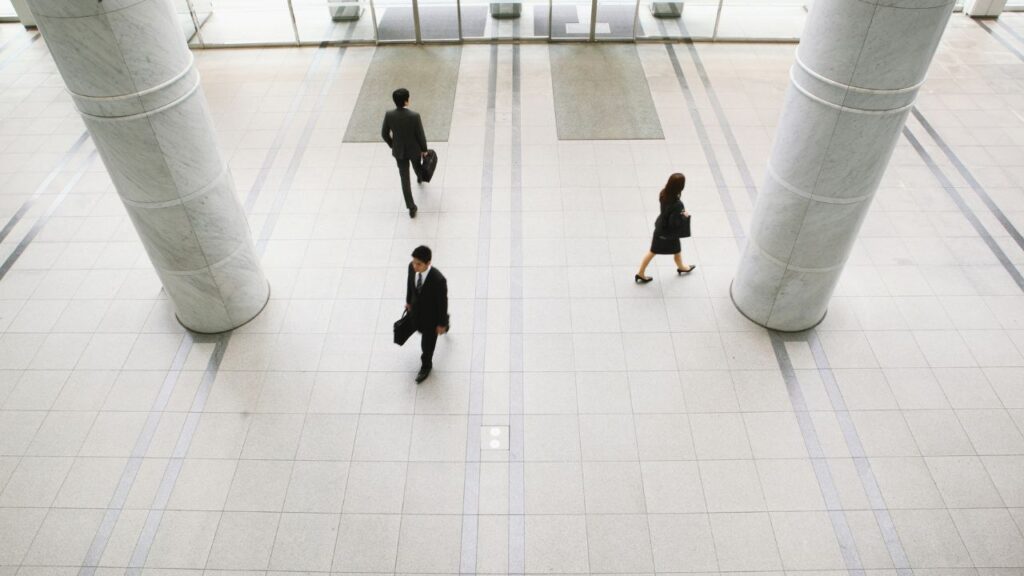
Taking these factors into account helps us recommend matting that works in harmony with our cleaning plans, reducing labor, protecting assets, and reinforcing a professional image from the ground up.
How Entry Mats Support Cleaning Efficiency
Entry mats aren’t just about cleanliness at the door, they play a direct role in optimizing the entire cleaning workflow across a commercial facility. By capturing contaminants early, mats reduce the burden on janitorial staff and extend the time between deeper cleaning tasks.
- Reduced Need for Frequent Floor Cleaning: Without entry mats, dirt and moisture spread quickly through corridors, lobbies, elevators, and high-traffic common areas. This increases the need for repeated mopping, vacuuming, and spot cleaning throughout the day, especially during rainy or snowy weather. A well-placed matting system can cut down 70–80% of soil accumulation indoors, according to the ISSA.
- Protecting Floor Finishes and Preventing Damage: Hard floors like VCT, marble, or engineered wood can scratch or wear down quickly under gritty shoe traffic. Entry mats serve as a protective buffer, preserving the finish and reducing how often we need to buff, polish, or refinish flooring, lowering long-term maintenance costs and avoiding service disruptions.
- Minimizing Slip and Fall Risks: Wet floors are a serious hazard in commercial settings. By absorbing water at the entrance, mats help keep interior surfaces dry and reduce the need for frequent wet floor signage or emergency mopping. This supports compliance with OSHA standards and helps protect building owners from liability.
In our commercial cleaning programs, we view entry mats as an extension of the custodial strategy, they support operational efficiency and protect cleaning budgets by reducing labor intensity and product usage over time.
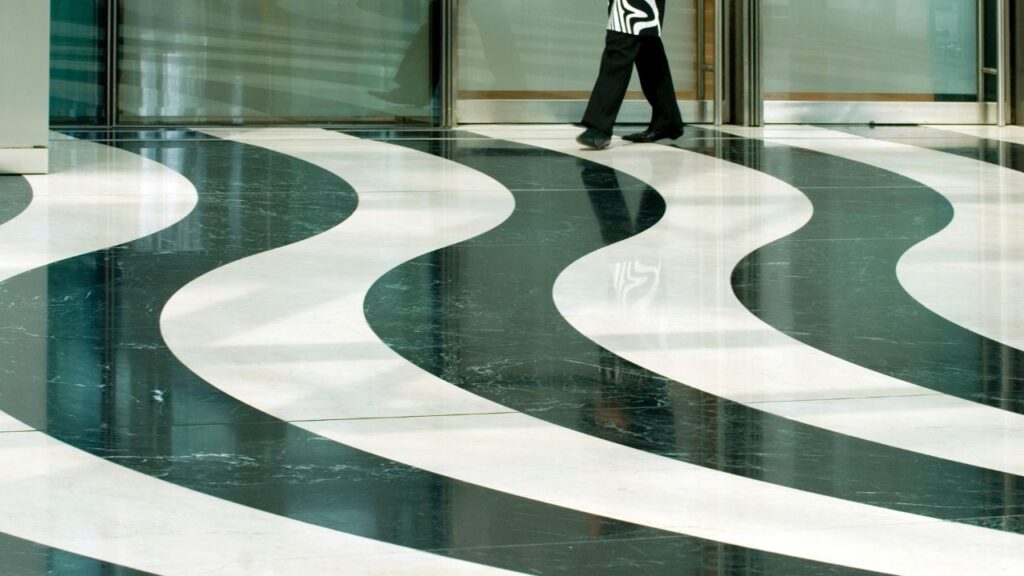
Placement Strategy: Where and How to Use Mats Effectively
Even the best entry mat won’t perform if it’s not placed strategically. A thoughtful matting layout considers the flow of foot traffic, environmental exposure, and how different zones interact. At Busy Bee, we often advise clients to use a three-zone matting approach, designed to intercept contaminants in stages.
Zone 1: Outdoor Placement
The first line of defense begins before people even enter the building. Outdoor scraper mats should be placed directly outside all main and side entrances. These mats trap larger debris like sand, salt, and gravel, especially important during New York’s winter months.
Best practices:
- Use heavy-duty, weatherproof mats with aggressive scraping textures
- Ensure mats have drainage channels or raised surfaces to prevent pooling
- Choose mats with beveled edges to reduce tripping risk

Zone 2: Vestibule or Entrance Area
This transitional zone allows further cleaning and drying before individuals fully enter the facility. This is the ideal location for scraper/wiper mats — materials designed to both agitate and absorb.
Best practices:
- Cover the full width of the entrance
- Ensure there’s enough length (at least 6–10 feet) for two to three steps
- Choose rubber-backed mats to prevent slippage on hard floors

Zone 3: Interior Lobby or Reception
Here, wiper mats remove any remaining moisture and fine dust. This is where appearance matters — mats should match the interior aesthetic but still be functional and absorbent.
Best practices:
- Use soft fiber mats that retain water and trap small particles
- Consider mats with logo branding for a polished look
- Ensure overlap with previous zones to prevent gaps in coverage
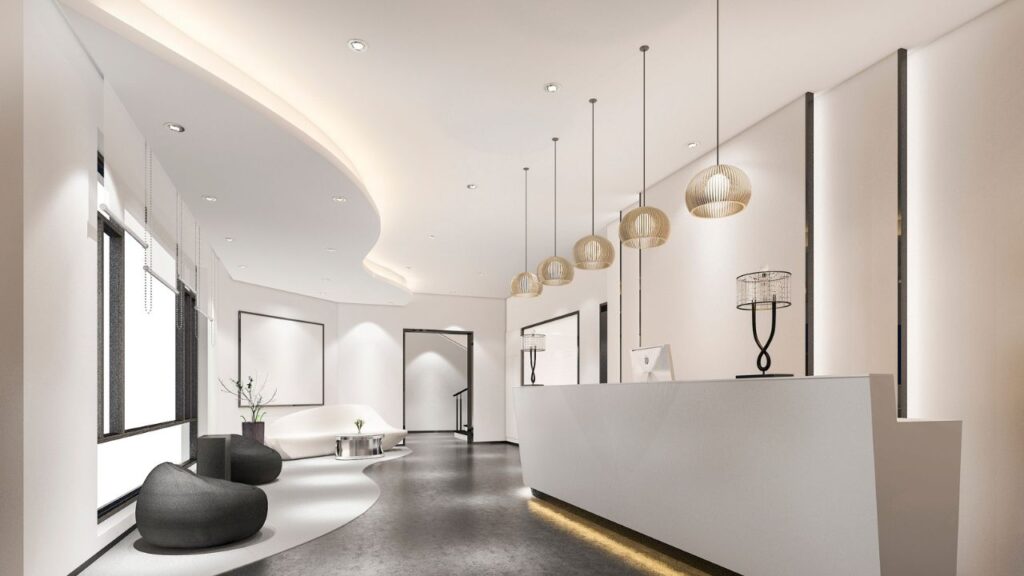
A seamless transition across these zones ensures that contaminants are stopped progressively. When mats are too small, missing, or improperly placed, we often see elevated cleaning needs and increased safety risks — all of which can be avoided with proper planning.
Maintenance Tips for Entry Mats
Entry mats are a powerful defense against dirt and moisture — but only when they’re clean and functional. Like any other part of a facility’s maintenance plan, mats require regular care to remain effective and safe.
- Daily Vacuuming: For indoor mats, especially in high-traffic buildings, daily vacuuming is essential. Vacuuming removes surface soil and keeps the mats looking clean and professional.
- Spot Cleaning for Spills and Stains: Spills should be addressed immediately. Whether it’s coffee, tracked-in mud, or sidewalk salt, stains not only look unprofessional but can lead to unpleasant odors and degraded material over time.
- Routine Deep Cleaning: Depending on the volume of traffic and exposure to outdoor elements, mats should be deep cleaned weekly to monthly. This may involve hot water extraction, low-moisture encapsulation, or even laundering if the mat type allows.
- Drying and Rotation: Clean mats need time to fully dry to prevent mildew and odor buildup. For facilities with extra sets, we recommend rotating mats weekly, this extends mat life and ensures that a freshly cleaned mat is always in use.
- Replacement Guidelines: Even the highest quality mats have a lifespan. Mats that are curled, fraying, worn thin, or no longer gripping the floor should be replaced. Generally, commercial entry mats should be evaluated for replacement every 12 to 18 months, depending on wear.
Well-maintained mats not only perform better — they also reinforce your commitment to cleanliness and safety from the moment someone enters your building. At Busy Bee, we factor mat maintenance into our broader custodial strategies, ensuring nothing slips through the cracks.

Conclusion
In commercial facilities, success is often built on the details, and few details are as impactful, yet overlooked, as the entry mat. When chosen wisely and maintained properly, mats don’t just protect your floors, they support your entire custodial program, enhance safety, and elevate your facility’s image.
At Busy Bee, we help New York businesses take a proactive approach to cleanliness from the moment someone steps inside. Whether it’s advising on mat placement, integrating mat maintenance into your cleaning schedule, or preventing costly floor damage, we treat entry mats as a strategic asset, not an accessory. If you’re ready to take the pressure off your floors and put smarter cleaning systems in place, we’re here to help.
Let’s Plan Your Clean
Free Quote
We’ll call you, assess your space, and give you a clear estimate.
Learn how we get real results.